Tracing support resolution chains that calibrate reward escalations across streamed card interfaces on personal devices
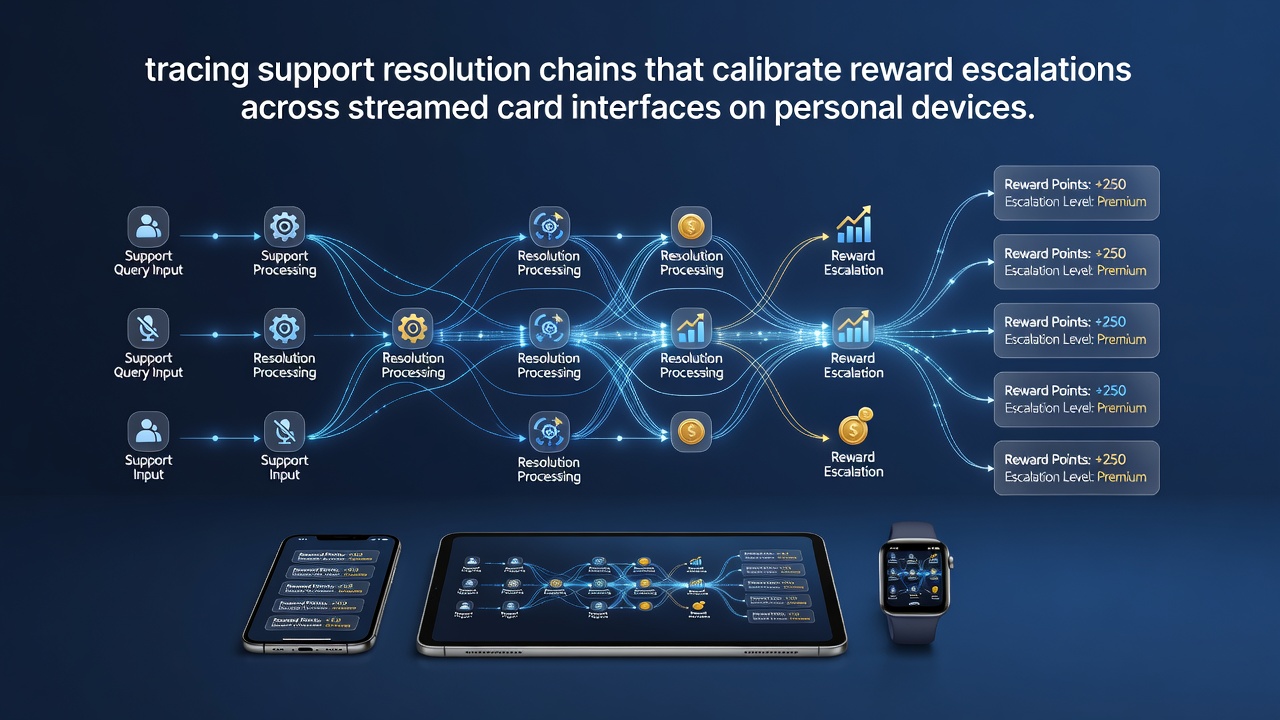
Support resolution chains operate as structured sequences that connect initial user queries to final outcomes in mobile environments where live card streams run on personal devices, and these chains directly influence how reward systems adjust user status levels based on issue complexity and handling speed. Data from industry tracking shows that operators map each step from ticket creation through tiered agent reviews to automated or manual reward recalibrations, while streamed interfaces for games like blackjack and baccarat transmit real-time session data that feeds back into loyalty calculations.
Core components of resolution chains in mobile card streams
Personal devices send session logs and support requests through app-based portals that route them into centralized systems, and these systems assign priority scores according to factors such as transaction disputes or stream interruptions before escalating cases to specialized teams. Researchers at regulatory bodies note that each escalation level incorporates verification protocols that cross-check device identifiers against account histories, which then trigger calibrated reward adjustments like increased tier points or unlocked bonus multipliers once resolutions close. In practice, one documented workflow begins with automated responses for simple connectivity issues and moves to human agents when reward balance discrepancies appear, allowing the chain to calibrate escalations without disrupting ongoing card sessions.
Streamed card interfaces on smartphones and tablets rely on low-latency data feeds that support teams access during resolutions, and this integration lets operators adjust reward parameters in response to verified user feedback. According to reports from the New Jersey Division of Gaming Enforcement, mobile platforms processed over 40 percent more support interactions in early 2026 compared with prior periods, with many chains resulting in direct loyalty tier advancements after successful dispute handling.
How reward calibrations respond to chain outcomes
Reward escalation mechanisms activate when resolution chains reach predefined milestones, such as confirmed fixes for stream quality problems or approved corrections to in-game purchase records, and these mechanisms draw from aggregated data across multiple user sessions on personal devices. Observers note that shorter resolution times often correspond with faster point accruals, whereas prolonged chains involving multiple agents may lead to compensatory bonuses that offset any session disruptions. The process maintains consistency by logging every decision point, which then feeds into algorithms that scale rewards proportionally to issue severity and user tenure.
Integration with device-specific streaming protocols
Personal devices interface with card streams through dedicated apps that embed support access points directly into live feeds, allowing users to flag issues without exiting gameplay, and resolution chains leverage this embedding to pull contextual data like frame rates or connection stability metrics. This setup enables precise calibrations because support staff receive device telemetry alongside account details, which in turn informs targeted reward adjustments such as temporary multiplier boosts during peak activity periods. Figures from the Victorian Commission for Gambling and Liquor Regulation reveal that similar device-linked support systems in regulated markets recorded measurable increases in user retention rates tied to timely reward escalations throughout the first half of 2026.
June 2026 brought updated compliance guidelines in several jurisdictions that require operators to document full resolution timelines for all mobile card stream interactions, and these guidelines emphasize transparent links between support outcomes and reward system modifications to ensure equitable treatment across user bases. Operators have adapted their chains accordingly by incorporating automated checkpoints that verify reward calibrations before closing tickets, reducing manual oversight needs while preserving audit trails.
Case examples from operational environments
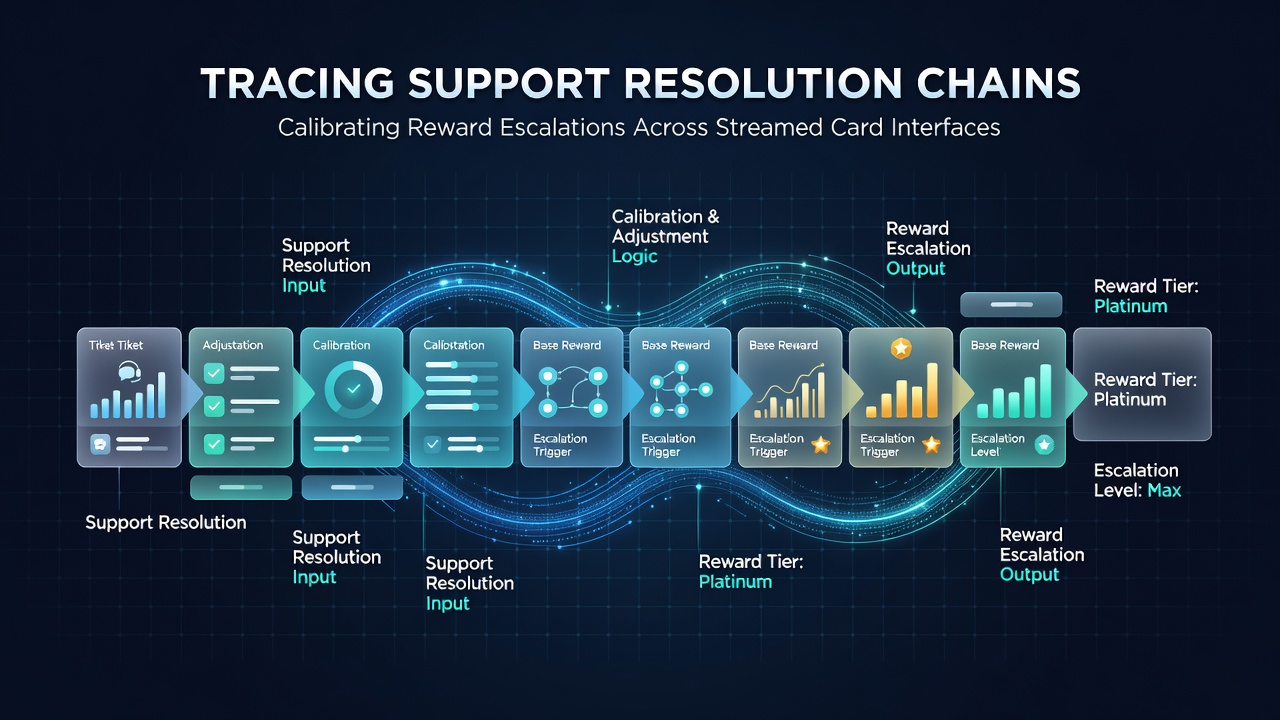
Take one scenario where a stream lag on a tablet device prompted a support ticket, and the resulting chain escalated from initial diagnostics to backend server review before confirming a localized network adjustment that restored feed quality. Upon closure the system automatically applied an escalated reward tier reflecting the resolution duration, which then carried over into subsequent baccarat sessions without further user action. Another instance involved a deposit verification query during a live poker stream on a smartphone, where the chain coordinated payment gateway checks with account status reviews and produced a calibrated bonus allocation once the matter cleared.
These examples illustrate how chains maintain continuity across personal device platforms by synchronizing support data with streaming servers, and the approach prevents reward discrepancies that might otherwise arise from isolated handling methods. Industry reports indicate that operators using such integrated systems achieve higher consistency in loyalty program performance, particularly when handling volume spikes during evening peak hours.
Future tracking developments and regulatory context
Enhanced logging tools now capture granular details at each chain stage, including device sensor readings and stream metadata, which support more refined reward calibration models that respond dynamically to user patterns on personal devices. Regulatory updates effective around mid-2026 have prompted wider adoption of standardized reporting formats that detail how support resolutions translate into tier movements, and this standardization aids cross-platform comparisons without compromising proprietary algorithms.
Analysts point to ongoing refinements in these areas as markets expand mobile card offerings, with emphasis on maintaining secure data flows between support systems and reward engines. The ball remains in operators' court to refine chain efficiencies while meeting evolving compliance standards across regions.
Conclusion
Tracing support resolution chains reveals systematic pathways that link user assistance directly to reward adjustments in streamed card environments on personal devices, and these pathways continue to evolve with regulatory and technical advancements seen through June 2026. Data indicates sustained focus on integration points that preserve session integrity while delivering calibrated outcomes, creating measurable connections between support handling and loyalty progression across mobile platforms.