Tracing Fund Approval Sequences That Accelerate Privilege Escalation Across Portable Live Dealer Interfaces
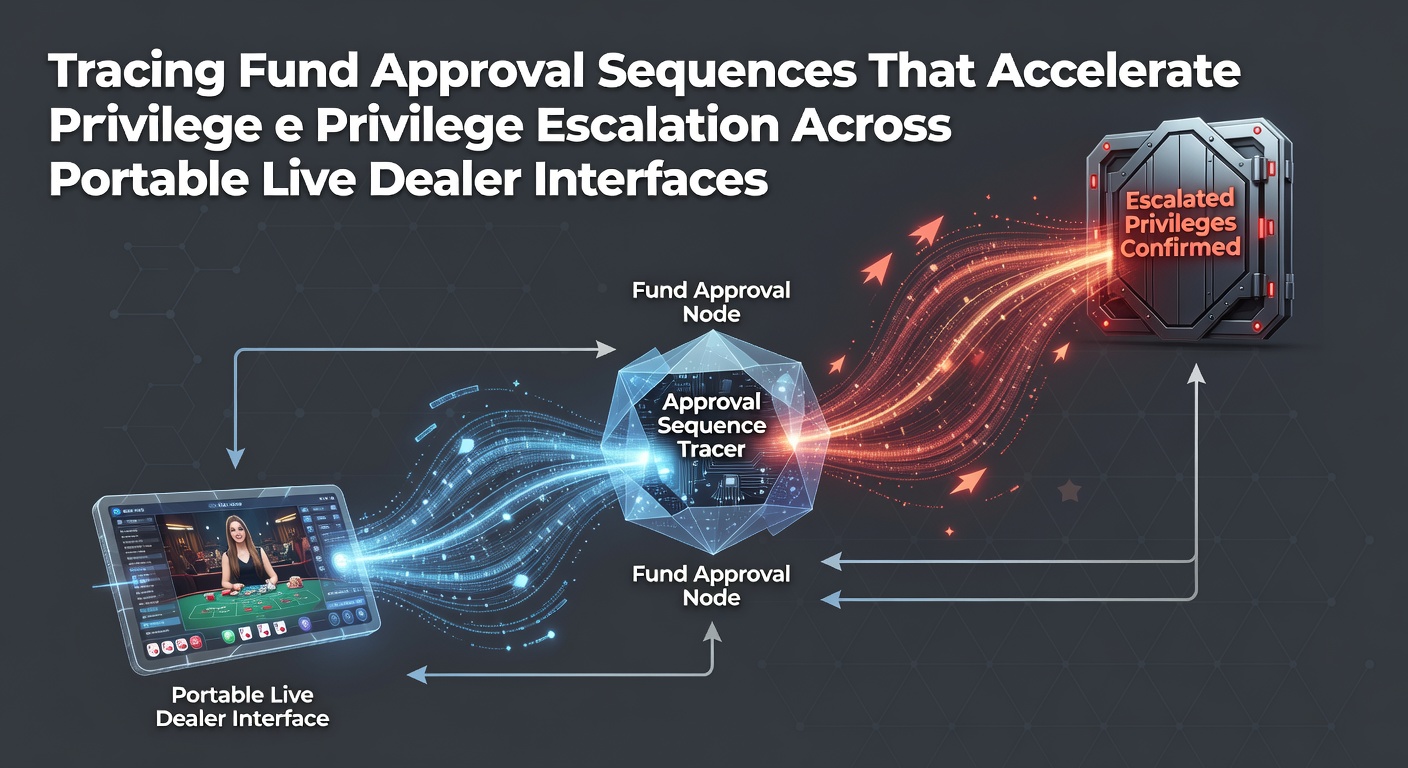
Fund approval sequences in portable live dealer environments follow defined verification steps that determine how quickly players access escalated account privileges, and these pathways rely on integrated payment gateways combined with real-time risk assessment protocols. Observers note that each stage, from initial deposit initiation through final confirmation, creates checkpoints where system logic evaluates transaction velocity, player history, and platform compliance rules before releasing tiered benefits such as higher betting limits or exclusive dealer tables.
Core Components of Approval Workflows
Portable interfaces process deposits through layered authentication that includes device fingerprinting, biometric checks, and automated fraud scoring, while live dealer modules require simultaneous validation against game server states to prevent latency during high-stakes sessions. Researchers have documented that sequences typically begin with payment processor handshakes, proceed through banking network clearances, and conclude with internal ledger updates that trigger immediate privilege adjustments when thresholds are met. Data from industry monitoring shows these steps often complete within seconds on optimized mobile networks, though network congestion or additional manual reviews can extend timelines and delay escalation.
Sequence Mapping in Mobile Live Dealer Systems
Mapping begins at the user interface layer where players select funding methods, then routes through API calls that query external processors before returning status codes to the central account management system. Experts have observed that certain sequences incorporate predictive algorithms which pre-approve recurring transactions based on prior patterns, thereby shortening the path to privilege upgrades such as VIP lounge access or dedicated dealer assignments. In June 2026, platform updates scheduled across multiple jurisdictions are expected to introduce enhanced sequence logging that records every intermediary node, allowing operators to trace exactly which approval stage unlocked a specific escalation event.
Those who analyze transaction logs find that privilege escalation accelerates most noticeably when approval sequences bypass secondary human review through automated scoring above defined confidence levels, and this pattern appears consistently across baccarat, roulette, and blackjack mobile feeds. Regulatory filings indicate that platforms must maintain audit trails for each sequence to demonstrate compliance with responsible gaming parameters, yet these same records also reveal how minor optimizations in fund confirmation timing produce measurable gains in tier progression speed.
Privilege Escalation Triggers Linked to Approvals
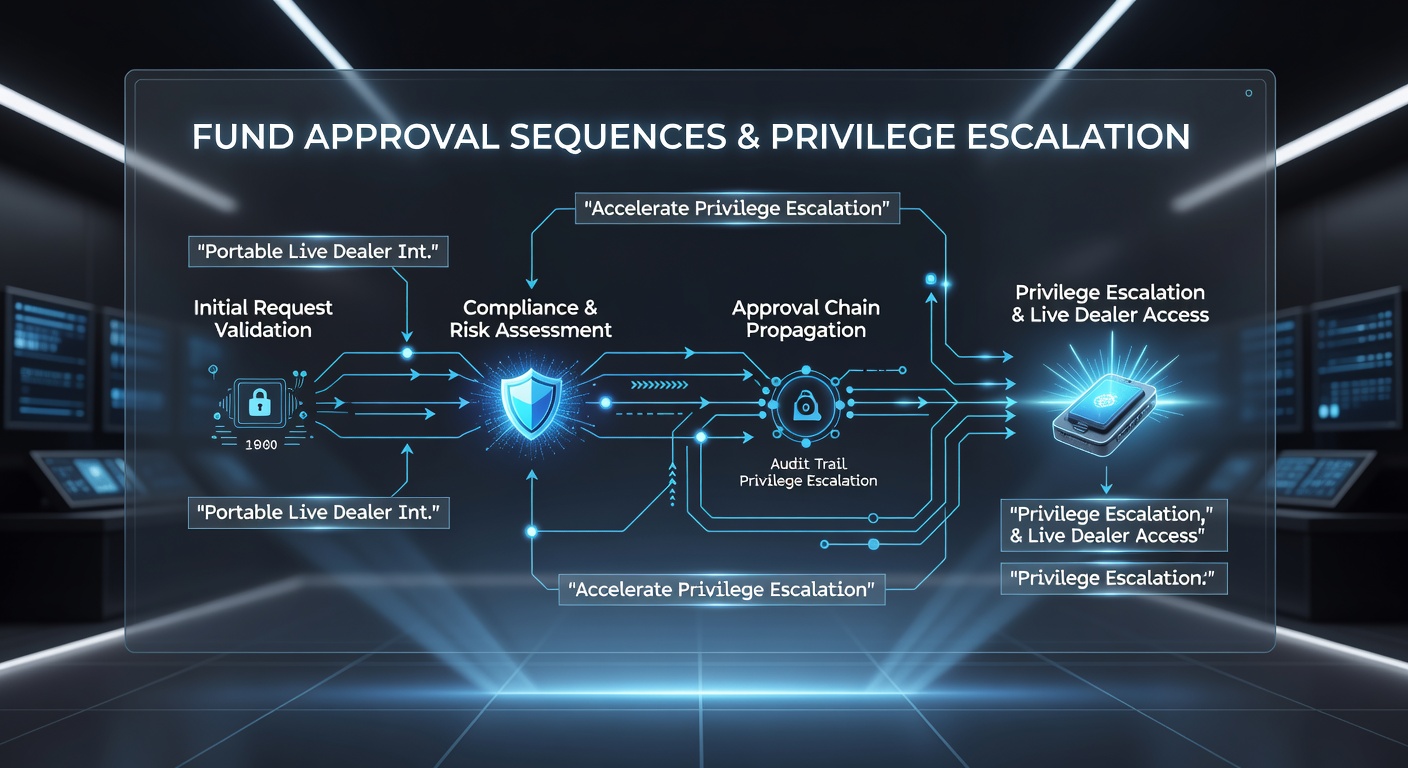
Escalation occurs at predefined deposit volume milestones that the approval sequence directly feeds into the loyalty engine, and operators configure these triggers to activate within the same mobile session when confirmation arrives promptly. Studies conducted by academic research groups have shown that live dealer environments benefit from this linkage because real-time table participation requires continuous balance validation, making fast fund approvals critical for uninterrupted privilege access. Figures reveal that players reaching mid-tier status often experience reduced confirmation intervals on subsequent deposits, creating a feedback loop where prior escalations themselves improve future sequence efficiency.
Industry organizations such as the European Gaming and Betting Association have published reports detailing how mobile-specific sequence optimizations reduce average approval times by integrating cached verification tokens, and these improvements translate directly into faster unlocks for features like multi-table dealer switching and personalized game statistics. One documented case involved a platform that adjusted its risk threshold parameters, resulting in a documented increase in same-session privilege grants without altering underlying compliance checks.
Regulatory and Technical Oversight Factors
Multiple regulatory bodies require transparent documentation of approval sequences to ensure that escalation mechanisms do not circumvent spending limits or age verification protocols, with the Malta Gaming Authority publishing guidelines that emphasize sequence auditability across portable formats. Technical teams implement logging at each node so that any acceleration in privilege granting remains traceable back to the originating fund approval event, and this practice supports both operational reviews and external examinations. Data indicates that platforms maintaining granular sequence records experience fewer compliance queries when escalation patterns are examined during periodic assessments.
Those monitoring global mobile gaming trends note that cross-border transactions introduce additional sequence variables such as currency conversion delays and regional banking restrictions, yet optimized interfaces now incorporate fallback routing that preserves escalation speed even when primary pathways encounter friction. In regions preparing for expanded live dealer offerings, operators have aligned their sequence designs with forthcoming technical standards expected to take effect around mid-2026.
Conclusion
Tracing fund approval sequences provides clear visibility into the mechanisms that govern privilege escalation rates across portable live dealer interfaces, and continued refinement of these pathways depends on coordinated updates between payment systems, game servers, and regulatory frameworks. Observers expect that enhanced logging capabilities scheduled for deployment will further illuminate how individual sequence adjustments influence tier progression outcomes, offering operators and analysts precise data for system improvements while maintaining established compliance boundaries.