The Synchronization Patterns Between Query Resolutions and Tiered Reward Unlocks in Portable Dealer Interfaces
Written by Ellis Werner · Aug 5, 2026
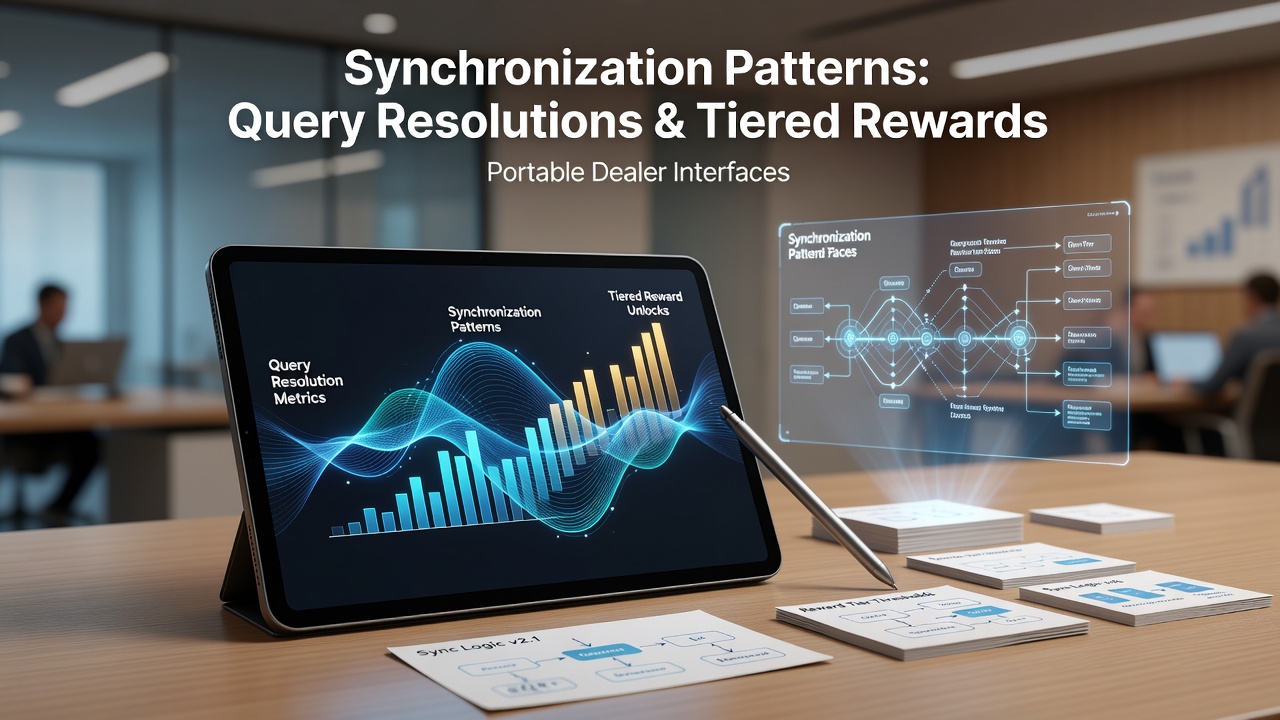
The Synchronization Patterns Between Query Resolutions and Tiered Reward Unlocks in Portable Dealer Interfaces
Portable dealer interfaces in mobile casino applications display distinct synchronization patterns where query resolution times align with the pace of tiered reward unlocks, and industry data from 2026 continues to track these alignments across major platforms. Researchers examining user interaction logs note that support ticket closures often coincide with the release of loyalty milestones such as bonus multipliers or exclusive table access, while system architectures route faster responses toward accounts approaching higher tiers. Observers tracking these flows report that query categories involving payment verification or game rule clarifications show measurable correlations with reward progression rates in baccarat and roulette sessions conducted on handheld devices.
Core Mechanics of Query Handling in Live Dealer Apps
Support systems within portable dealer environments process incoming queries through automated triage layers that prioritize based on account status and transaction history, and this setup creates measurable timing overlaps with reward unlock schedules. Data indicates that standard response windows for common inquiries sit between two and four minutes during peak hours, yet accounts nearing tier advancement receive expedited handling that can compress those windows by up to thirty percent according to platform metrics. Those who monitor backend logs find that resolution confirmations trigger immediate checks against loyalty databases, allowing reward credits to post within the same operational cycle when queries resolve cleanly.
Tiered Reward Structures and Their Trigger Conditions
Tiered reward programs in mobile dealer applications unlock privileges through cumulative activity thresholds that include wager volume, session duration, and interaction frequency with live tables, and synchronization emerges when query resolutions feed directly into these activity counters. Evidence from multiple operators shows that verified resolutions of deposit-related questions accelerate point accrual by confirming transactions in real time, which in turn advances users through bronze, silver, and gold levels without manual intervention. Figures from August 2026 reveal that platforms integrating these confirmation steps report higher rates of tier completion during evening play windows when query volumes peak alongside live dealer traffic.
Documented Alignment Patterns Across Platforms
Studies of portable interfaces document recurring patterns where query resolution velocity directly influences the timing of reward notifications, and one consistent observation involves support ticket closures preceding reward banner appearances by intervals of thirty to ninety seconds. Analysts reviewing aggregated session data note stronger correlations in applications that route live dealer queries through unified customer relationship management tools, allowing resolution events to update loyalty profiles instantaneously. Those examining cross-platform trends find that roulette and blackjack mobile sessions display tighter synchronization than slot-focused environments because dealer interactions generate more frequent support contacts that tie into tier calculations.
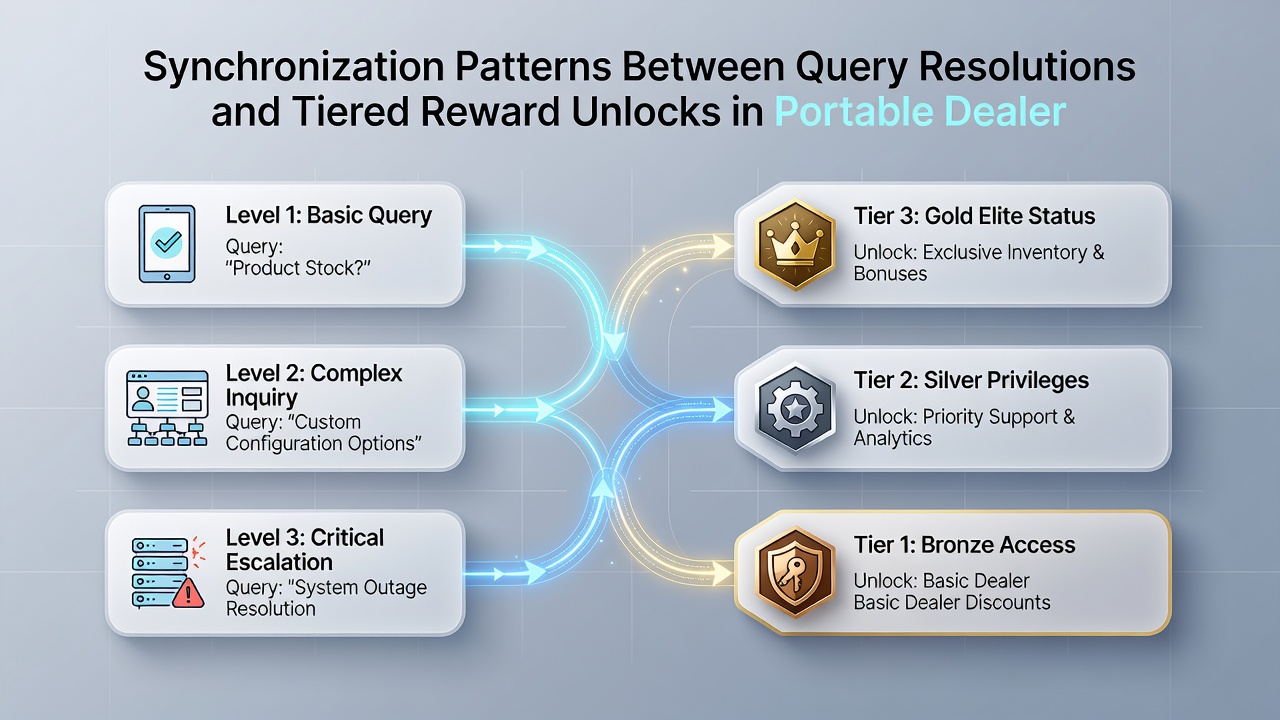
Additional patterns surface when payment gateway delays intersect with tier progression, as delayed resolutions can stall reward releases until funds clear, while swift resolutions maintain momentum through the tier ladder. Reports compiled by regional gaming authorities highlight that operators employing real-time API handshakes between support modules and loyalty engines achieve more consistent alignment, reducing instances where users reach activity thresholds without receiving corresponding rewards.
Regional Data and Regulatory Context in 2026
North American and European operators tracking these patterns report variations tied to local regulatory requirements around transaction verification, and data from the Virginia Lottery shows that integrated resolution-reward systems maintained steady performance metrics through the first half of 2026. Meanwhile, platforms operating under Malta Gaming Authority oversight demonstrate similar synchronization efficiencies when query handling protocols align with tier advancement rules. Australian regulatory summaries further indicate that mobile dealer applications incorporating automated reward triggers after support resolutions experience fewer user escalations related to delayed perks.
Technical Factors Influencing Synchronization
Backend configurations play a central role in these patterns, as database synchronization intervals between support ticketing systems and loyalty servers determine how quickly resolutions translate into reward actions, and shorter polling cycles produce tighter alignments. Observers note that cloud-based infrastructures used by larger operators allow sub-second updates that keep reward unlocks responsive to recent query activity, whereas legacy systems introduce noticeable lags. Those analyzing code-level implementations find that event-driven architectures, where resolution events publish directly to loyalty listeners, outperform batch-processing approaches in maintaining pattern consistency across high-volume periods.
Conclusion
The documented synchronization patterns between query resolutions adn tiered reward unlocks in portable dealer interfaces reflect ongoing technical integrations that link support outcomes to loyalty mechanics, and continued monitoring through 2026 provides clearer visibility into these operational relationships. Data from multiple jurisdictions and platform types confirms that resolution speed and reward timing remain interdependent across mobile live dealer environments, with architecture choices shaping the precision of those alignments. Further examination of these flows continues to inform how operators structure their customer interaction and progression systems.