The Ripple Effects of Payment Gateway Innovations on Customer Service Dynamics Within VIP Mobile Casino Ecosystems
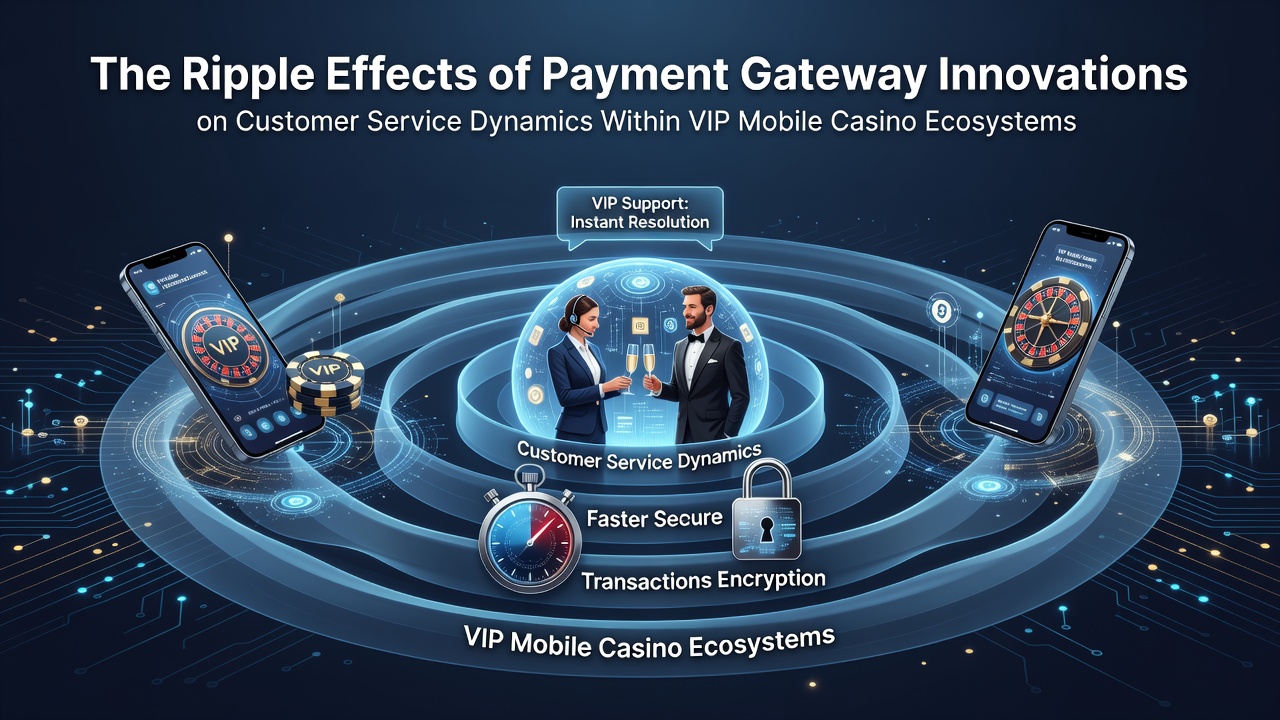
Payment Gateway Shifts Reshape Support Workflows
Payment gateway innovations have altered how VIP mobile casino platforms handle transaction queries and account management, since faster processing reduces the volume of routine inquiries that once dominated support queues, and operators now route those resources toward complex loyalty adjustments and personalized account reviews. Data from the European Gaming and Betting Association indicates that integrated gateways cut average deposit verification times by up to 70 percent in 2025, which in turn lowered repeat contact rates among high-tier players who previously followed up on pending balances multiple times per session.
Those changes extend beyond speed alone, because modern gateways embed real-time status updates directly into mobile apps, allowing VIP users to track approvals without initiating chats or calls, and support teams therefore receive fewer status-check tickets while gaining capacity to address escalated issues such as tier-progression disputes or multi-currency reconciliation problems that arise during live events.
Reduced Friction Creates New Service Priorities
Operators observe that streamlined gateways shift agent focus from transaction troubleshooting to proactive retention tasks, and this transition appears most pronounced in ecosystems where instant payouts link directly to loyalty dashboards. When approvals occur within seconds rather than minutes, VIP players spend less time verifying funds and more time engaging with exclusive tournaments or personalized bonus structures, which leaves customer service departments free to monitor behavioral patterns and intervene early on potential dissatisfaction signals.
Research compiled by the University of Nevada, Las Vegas International Gaming Institute shows that platforms adopting token-based gateways recorded a 35 percent drop in payment-related support tickets between late 2024 and mid-2025, prompting teams to reallocate staffing toward live dealer coordination and tier-maintenance consultations instead.

June 2026 Standards Influence Ongoing Adaptations
Regulatory updates scheduled for June 2026 across several jurisdictions require enhanced reconciliation protocols between gateways and loyalty systems, and these rules are already prompting mobile casino operators to refine escalation pathways so that agents can resolve cross-border transfer discrepancies without transferring callers between departments. The adjustments matter particularly for VIP segments because tier advancement often hinges on cumulative spend that must clear multiple verification layers within tight windows.
Support workflows now incorporate automated flags that surface when a high-value deposit fails secondary checks, allowing representatives to contact the player directly with pre-approved solutions rather than reactive troubleshooting after the fact. Observers note that such proactive measures maintain engagement momentum during peak periods when live table traffic and slot volume peak simultaneously.
Integration Patterns Across Global Platforms
Platforms in Asia-Pacific markets have paired gateway upgrades with regional banking APIs that permit instant verification against local ledgers, while European operators emphasize GDPR-compliant data flows that keep transaction histories synchronized with support CRM tools. Both approaches reduce handoff delays between payment processors and service agents, yet each produces distinct reporting requirements that training programs must address separately.
Those who've examined longitudinal ticket data across multiple operators report that VIP players using multi-wallet gateways experience fewer interruptions during high-stakes sessions, since balance updates propagate automatically to loyalty meters and eliminate the need for manual credit requests that previously consumed agent time.
Conclusion
Payment gateway innovations continue to recalibrate customer service priorities inside VIP mobile casino environments by compressing transaction timelines and surfacing new categories of support needs around loyalty synchronization and regulatory compliance. As June 2026 standards take effect, operators will likely refine these integrations further, directing agent expertise toward relationship management rather than payment validation. The measurable decline in routine inquiries documented across multiple markets underscores how infrastructure changes at the gateway level propagate through every layer of the VIP service model.