Seasonal Challenge Mechanics Linking Rapid Verification Flows to Escalating Loyalty Tiers in App-Based Card and Wheel Sessions
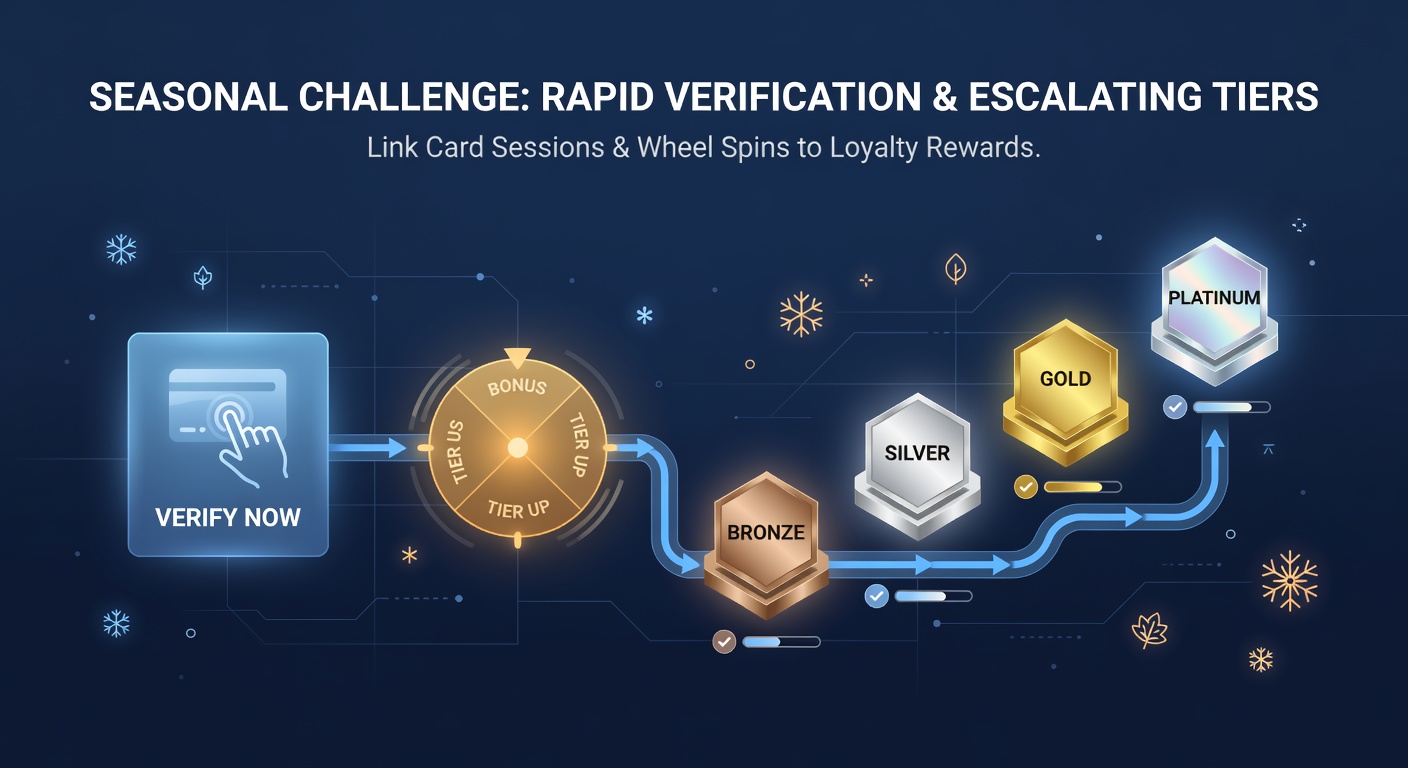
Seasonal challenge mechanics in app-based card and wheel sessions operate through structured reward pathways that connect rapid verification flows directly to loyalty tier advancement, and these systems process player actions in real time across blackjack, poker, roulette, and related formats. Data from multiple jurisdictions indicates that verification sequences, once completed, trigger immediate eligibility for challenge participation while simultaneously updating loyalty metrics without additional manual steps.
Verification Integration in Challenge Structures
App platforms incorporate identity and transaction verification at the entry point of each seasonal event, which means players complete document uploads or biometric checks before accessing challenge rounds, and this process aligns deposit confirmations with tier progression algorithms. Research from the Nevada Gaming Control Board shows that streamlined verification reduces session interruptions while maintaining compliance standards across portable devices.
Card game sessions such as baccarat and blackjack incorporate verification checkpoints that feed directly into loyalty counters, whereas wheel-based games like roulette apply similar flows to track spin volumes and reward multipliers; both formats update tier status through automated sequences that respond to challenge completion rates. Observers note that these linkages create continuous escalation paths because each verified action contributes measurable points toward higher privilege levels.
Seasonal Event Design and Tier Escalation
Seasonal events run on fixed calendars that reset loyalty targets every quarter, and developers program these periods to reward accelerated verification by granting bonus multipliers that push participants into new tiers faster than standard play alone would allow. Figures from industry reports reveal that players who complete verification within the first 24 hours of a challenge window advance an average of one full tier during the active season.
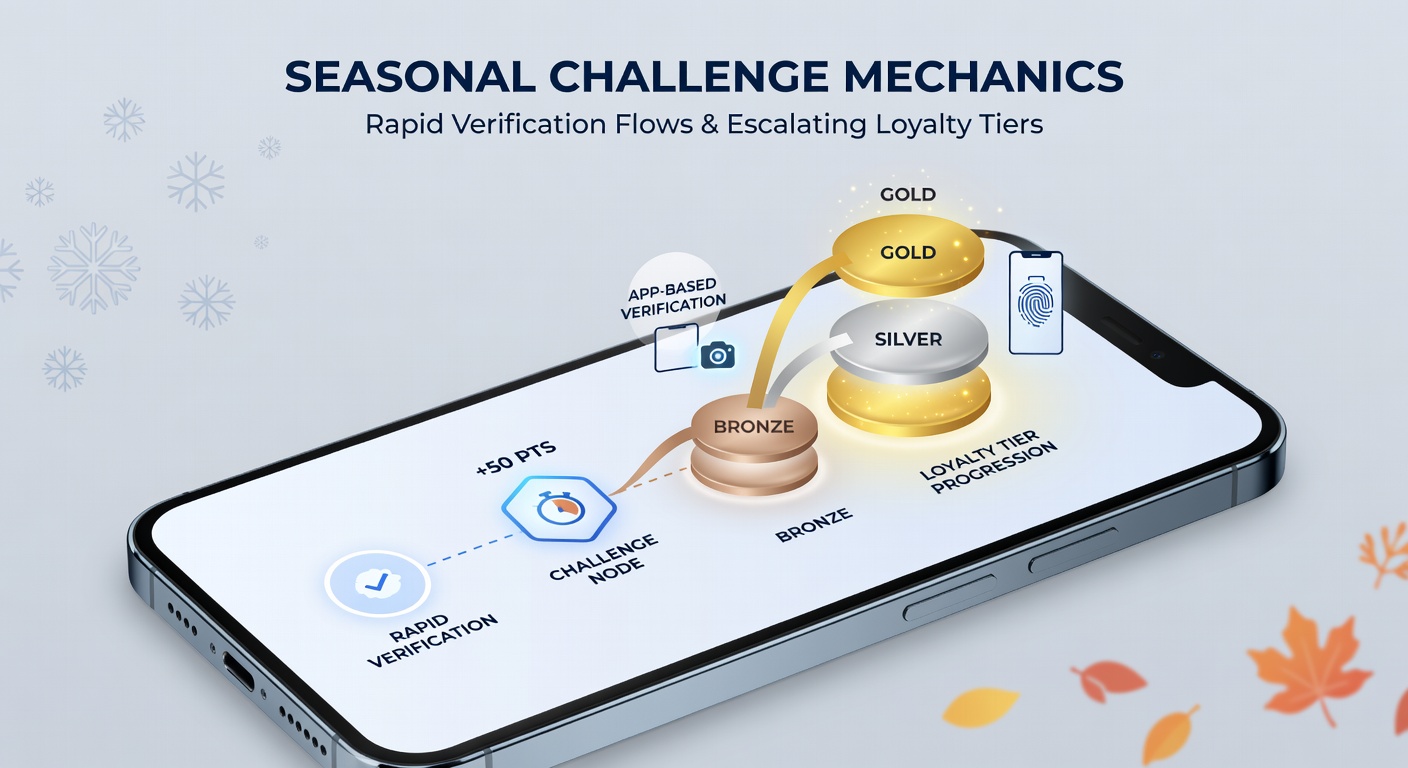
Wheel sessions benefit from the same mechanics because rapid fund approval sequences unlock higher bet limits that contribute extra points toward seasonal goals, while card tables apply verification-linked challenges to track consecutive wins and hand volumes. Experts have observed that these combined systems maintain engagement across both game types through synchronized reward delivery that reflects verified activity levels.
Regional Regulatory Context and June 2026 Developments
Regulatory frameworks in multiple regions require transparent linkage between verification processes and loyalty systems, and updates scheduled for June 2026 in several North American and European markets will introduce standardized reporting on how seasonal challenges affect tier mobility. According to documentation from the New Jersey Division of Gaming Enforcement, forthcoming guidelines emphasize audit trails that connect each verification step to specific loyalty outcomes in mobile environments.
Operators adjust their app architectures ahead of these changes by embedding verification APIs that feed real-time data into loyalty engines, and this preparation ensures compliance while preserving the speed of challenge participation across card and wheel formats. Industry associations such as the European Gaming and Betting Association have published preliminary analyses showing that integrated verification flows correlate with higher retention rates during seasonal periods.
Player Progression Pathways
Players move through defined loyalty stages by accumulating verified challenge completions, and each stage unlocks new card table privileges or enhanced wheel multipliers that further accelerate point collection. Studies from academic research groups indicate that the combination of seasonal time limits and instant verification feedback creates measurable increases in session frequency without altering underlying game mathematics.
Take one documented case where platform data tracked participants who verified early in a roulette challenge cycle; those users reached the next loyalty tier within the same week because verified spins counted toward both event goals and cumulative tier requirements. Similar patterns appear in card sessions where rapid approval of deposits allows immediate entry into high-stakes tables that yield additional loyalty points.
Conclusion
Seasonal challenge mechanics continue to evolve by tightening connections between verification speed and loyalty advancement in app-based card and wheel environments, and these linkages rely on automated systems that process compliance requirements alongside reward calculations. Data from regulatory bodies and industry analyses confirms that the resulting tier escalation remains consistent across different game formats and geographic markets.