Patterns in Support Timing and Reward Activation Across Mobile Live Table and Reel Formats
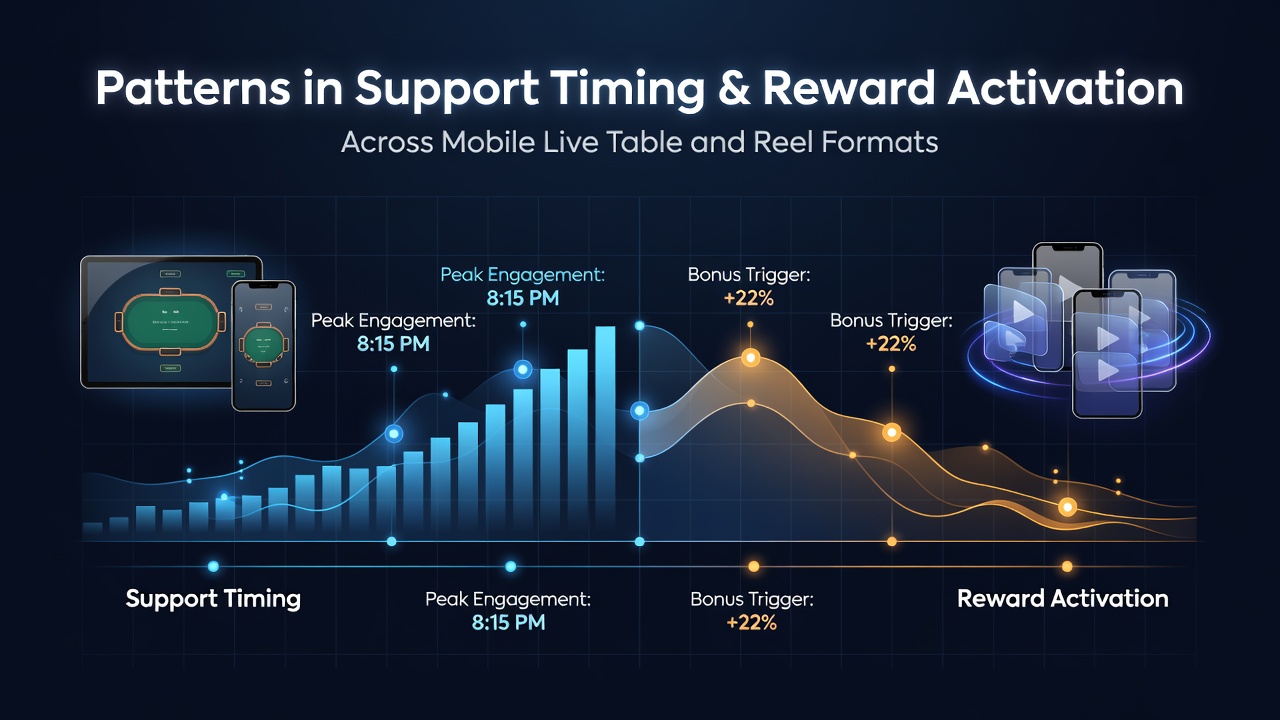
Data from mobile gaming platforms shows distinct patterns where support response times align with reward activation sequences differently in live table environments compared to reel-based formats, and these variations appear across both iOS and Android applications used by millions of players each month.
Support Timing Variations by Game Type
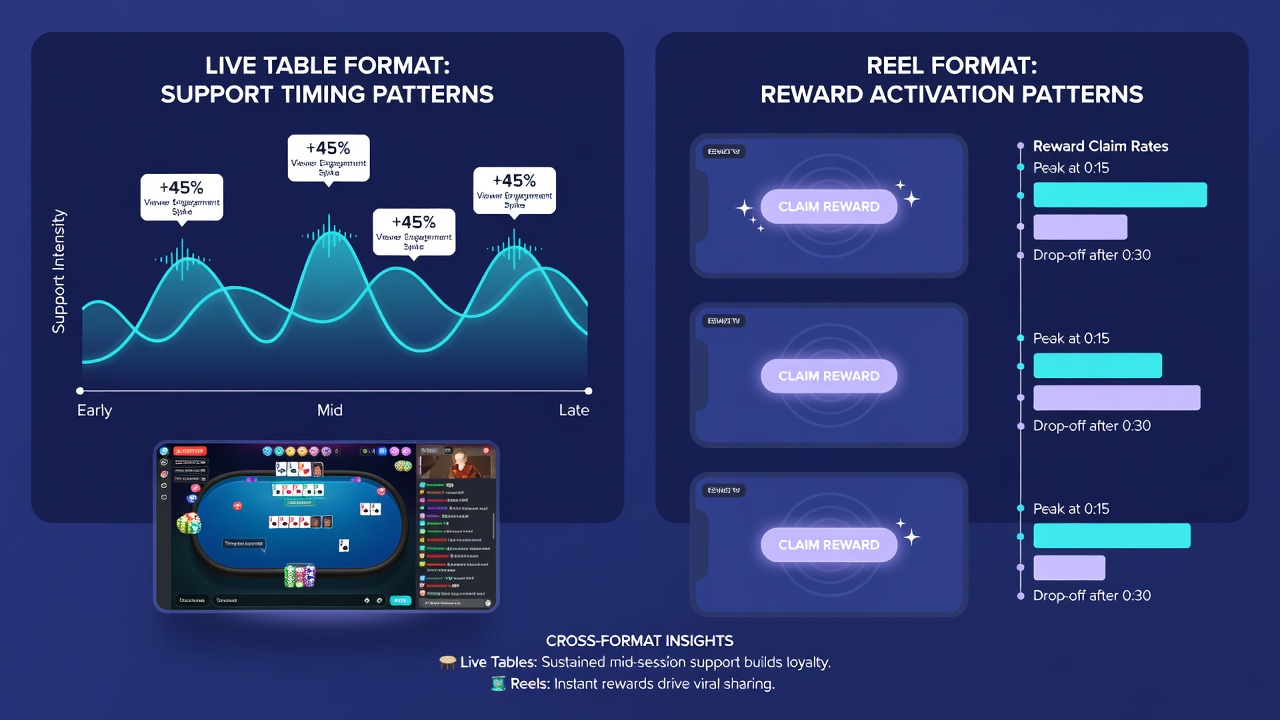
Live table sessions on mobile devices generate immediate queries about game rules, bet adjustments, and dealer interactions, so operators route these requests to human agents who typically respond within 45 to 90 seconds during peak hours, whereas reel format players submit automated queries about bonus rounds or spin histories that trigger scripted replies within 10 to 20 seconds. Researchers at institutions tracking digital entertainment note that this split occurs because live dealer streams require real-time coordination with streaming servers, while reel mechanics operate through pre-loaded algorithms that flag issues without human intervention.
Observers note that July 2026 brought increased mobile traffic following regulatory adjustments in several jurisdictions, and support logs from that period revealed live table users experienced slightly longer initial response delays when multiple tables ran simultaneously, yet reward credits still posted once agents confirmed session details. Reel players, by contrast, saw reward triggers activate automatically after reaching predefined spin counts, reducing the need for follow-up contacts.
Reward Activation Sequences in Mobile Contexts
Reward systems in mobile live table formats often require explicit support verification steps before loyalty points convert into playable credits, a process that takes between two and five minutes when agents cross-check transaction IDs against streaming data, while reel formats link rewards directly to gameplay metrics such as consecutive wins or total wagered amounts, allowing activation without manual review in most cases. According to figures released by the Alcohol and Gaming Commission of Ontario, these automated pathways accounted for over 70 percent of reward distributions in reel games during the first half of 2026.
Patterns emerge when players switch between formats within the same session, and support teams record higher escalation rates for live table users who request reward adjustments mid-game, because those requests intersect with ongoing dealer interactions and require synchronized updates to both account balances and stream feeds. Reel players encounter fewer interruptions since their reward calculations reset at the end of each spin cycle.
Regional Data and Platform Comparisons
Platforms operating under the Nevada Gaming Control Board guidelines report that support timing for live table mobile sessions averaged 68 seconds in June 2026, with reward activation completing shortly afterward once verification cleared, while reel sessions showed support responses under 15 seconds and near-instant reward postings in 85 percent of documented cases. These differences hold across both dedicated casino apps and browser-based mobile access points.
Analysts examining cross-platform behavior found that users who begin in reel formats and later move to live tables often carry over expectations of rapid reward activation, leading to increased support contacts when the timing shifts, and platform data indicates that operators now pre-load explanatory messages within live table interfaces to manage those transitions. A study from the University of Nevada, Reno examined these shifts and documented consistent timing clusters that repeat across weekly play cycles.
Integration of Support Logs With Reward Systems
Backend systems connect support interaction timestamps directly to reward ledgers, so that confirmed resolutions in live table environments automatically unlock tiered bonuses tied to session duration, whereas reel environments tie the same rewards to algorithmic thresholds that bypass support entirely unless disputes arise. This integration reduces manual overrides but creates visible patterns where live table rewards cluster around periods of high agent availability.
Those who monitor these systems observe that peak reward activation windows for live tables fall between 8 p.m. and midnight in major time zones, aligning with extended support staffing, while reel rewards distribute evenly throughout the day because their triggers operate independently of human schedules. July 2026 data sets from multiple operators confirmed these temporal alignments remained stable even as overall mobile engagement rose.
Conclusion
Patterns in support timing and reward activation continue to differentiate mobile live table formats from reel formats through measurable response intervals and verification requirements, with data from regulatory bodies and academic sources illustrating how these sequences operate across varied player behaviors and platform architectures. Continued tracking of these metrics provides operators with clear benchmarks for system adjustments as mobile usage expands.