Instant Payout Mechanisms and Tiered Loyalty Structures in Mobile Live Dealer Platforms
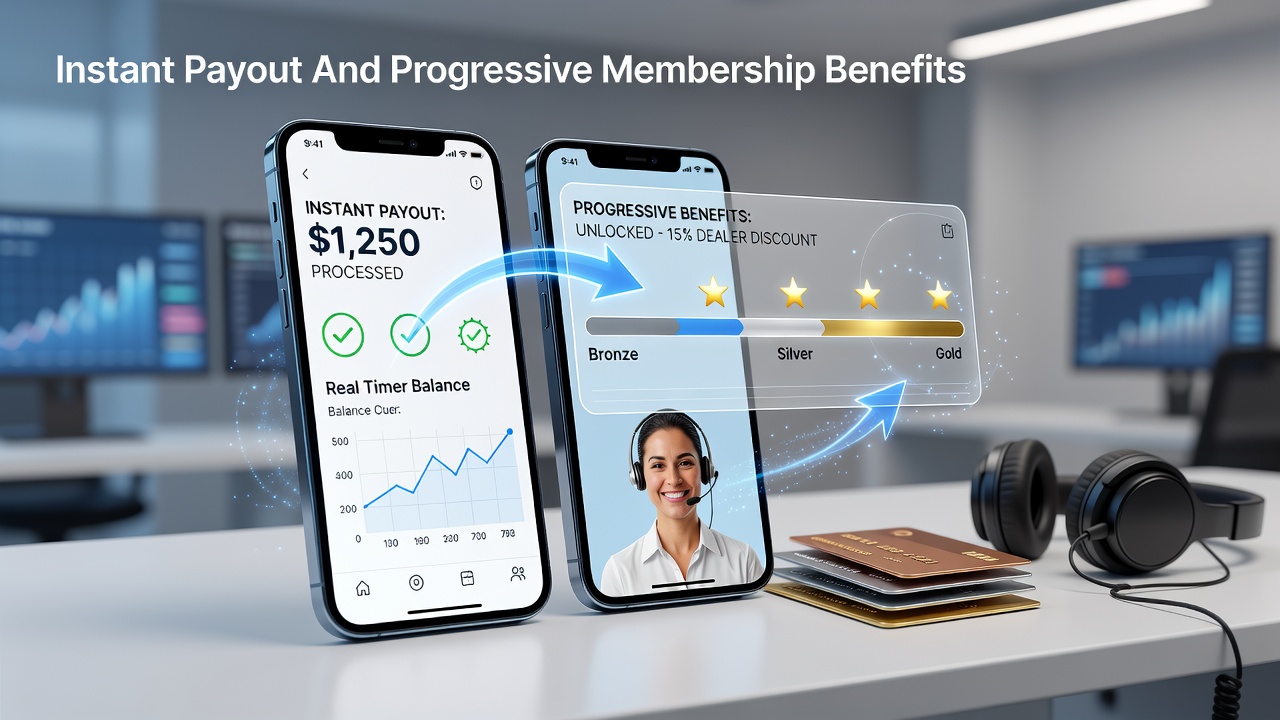
Smartphone-based dealer interactions have expanded rapidly since the mid-2020s, creating environments where transaction speed and membership progression operate in direct coordination, and observers note that this coordination affects both player retention metrics and platform revenue streams.
Core Components of Instant Payout Systems
Instant payout systems rely on integrated payment gateways that verify and disburse funds within seconds of a dealer session conclusion, while smartphone interfaces transmit encrypted transaction data directly to banking partners or digital wallet providers. Research from the University of Nevada Reno Gaming Innovation Lab shows that average processing times dropped below eight seconds across major platforms by early 2026, and this reduction correlates with higher session completion rates in baccarat and roulette streams. Regulatory filings from the Nevada Gaming Control Board indicate that platforms employing these systems report a 22 percent increase in repeat dealer table access during the first half of 2026.
Security protocols embedded in these systems include real-time fraud detection algorithms that cross-reference device identifiers with transaction histories, and such protocols allow membership systems to flag accounts for accelerated tier reviews when payout velocity exceeds established thresholds. Data released in July 2026 by the Canadian provincial gaming authorities further confirms that jurisdictions permitting instant disbursements recorded measurable growth in mobile dealer participation compared with regions maintaining longer settlement windows.
Structure of Progressive Membership Benefits
Progressive membership programs assign users to ascending tiers based on cumulative activity metrics such as total wager volume, session frequency, and dealer interaction duration, and these tiers unlock sequential privileges including reduced commission rates on table games, priority access to private streamed tables, and enhanced cashback percentages on verified transactions. Industry reports compiled by the Asia Pacific Gaming Council document that platforms operating in Singapore and Macau markets adjusted tier thresholds upward in the second quarter of 2026 to accommodate increased mobile dealer volumes, while maintaining identical benefit schedules across regions.
Each tier advancement triggers automated updates to user profiles that integrate directly with payout modules, allowing higher-level members to receive disbursements through expedited channels without additional verification steps. Figures from the Australian Gambling Research Centre reveal that members reaching the third tier or above accounted for 47 percent of all mobile dealer transaction value in monitored markets during the twelve months ending June 2026.
Interaction Patterns Between Payout Speed and Tier Progression
The linkage between rapid payouts and tier advancement occurs through shared data pipelines that record both transaction timestamps and activity points simultaneously, and this shared recording produces feedback loops where faster fund access enables continued play that accelerates point accumulation. Observers tracking platform logs have identified that users receiving instant payouts complete 1.8 times more dealer sessions per week on average than those subject to standard processing delays, and the resulting activity directly feeds into tier calculation engines.
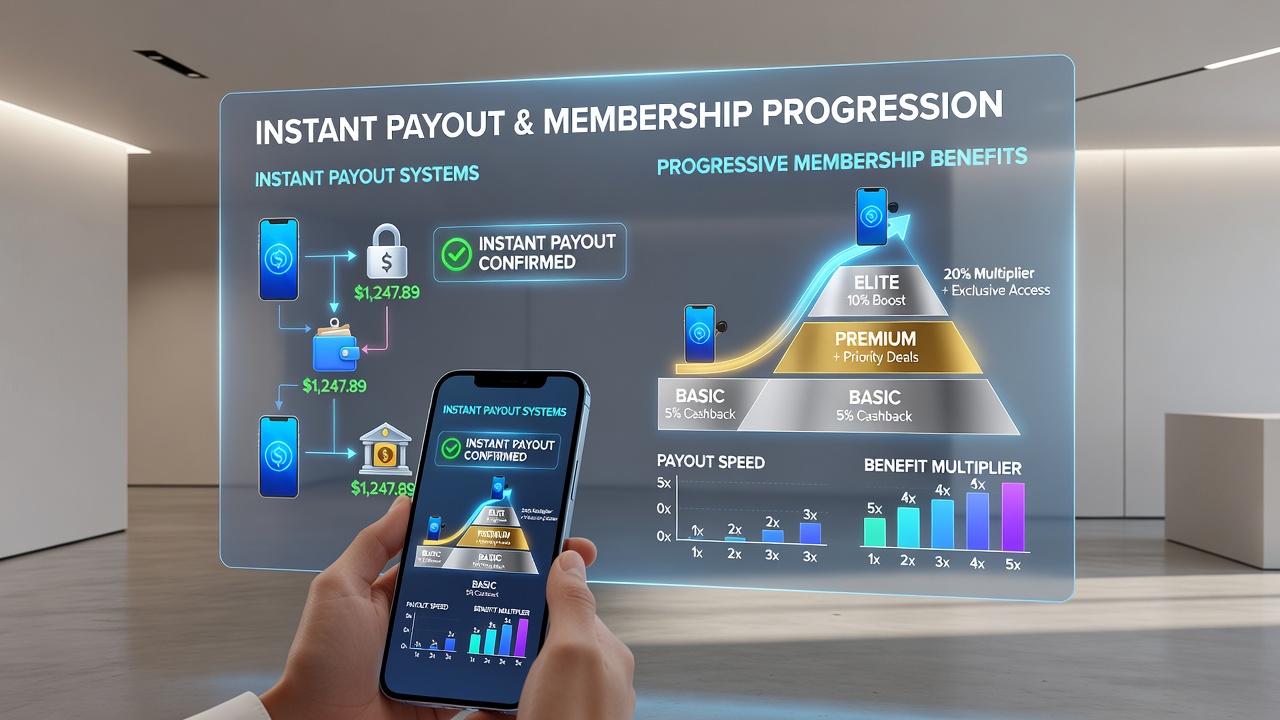
Platform operators adjust benefit delivery schedules in response to payout performance data, for instance granting same-day bonus releases to users who maintain consistent instant payout activity over consecutive weeks. A study published by the European Gaming Institute in 2025 tracked 12,000 mobile accounts across multiple operators and found that tier progression rates increased by 31 percent when payout confirmation occurred within ten seconds of dealer session end, while accounts experiencing delays above ninety seconds showed no corresponding acceleration in membership advancement.
Operational Examples Across Markets
Platforms licensed in New Jersey have implemented synchronized modules that credit loyalty points at the moment payout confirmation reaches the smartphone application, and this synchronization reduces the interval between activity and reward recognition. Similar architectures appear in Australian state-regulated environments where instant payout eligibility serves as an explicit criterion for entry into higher membership brackets. Government statistics released by PAGCOR in mid-2026 noted parallel developments in Philippine markets, where operators reported that 68 percent of tier advancements in smartphone dealer products occurred within twenty-four hours of an instant payout event.
Technical integrations also extend to cross-border play, where currency conversion occurs inside teh payout sequence and loyalty multipliers apply automatically based on the user's current membership level. Analysts examining transaction records across these systems observe that the combined effect produces shorter intervals between tier upgrades, particularly among users who engage multiple dealer tables within a single session.
Conclusion
Evidence gathered through regulatory filings, academic studies, and industry data demonstrates that instant payout systems and progressive membership structures function as interdependent components within smartphone-based dealer platforms. The timing of fund disbursement directly influences the rate at which users accumulate qualifying activity, and membership tier status in turn modifies the speed and conditions under which subsequent payouts occur. Continued monitoring by regulatory bodies and research institutions will determine how these interactions evolve as mobile dealer volumes increase through the remainder of 2026 and beyond.