How Verification Protocols Shape Participation in Progressive Jackpot Networks Within Mobile Table and Reel Sessions
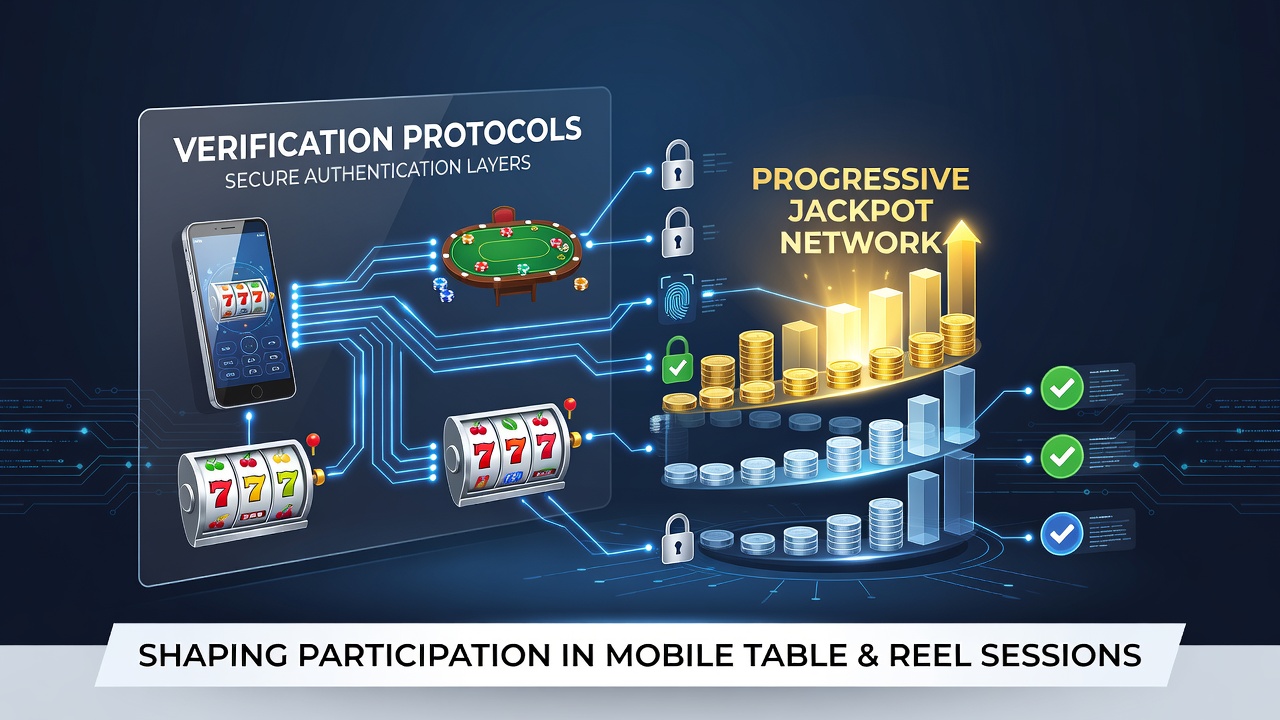 Progressive jackpot networks connect mobile table games and reel sessions across multiple platforms so that contributions from each wager build shared prize pools, and verification protocols determine which players gain entry to these linked systems. These protocols typically require identity confirmation, age verification, and location checks before participants can contribute to or claim from the growing jackpots, which means the speed and accuracy of those steps directly influence how many users join the network during a single session. Mobile environments add layers of complexity because players often switch between devices or play in short bursts, and verification systems must handle those transitions without interrupting jackpot eligibility. Data from industry reports show that streamlined verification flows increase the number of active contributors to progressive pools by allowing quicker onboarding while maintaining compliance with regional rules.
Mechanics of Verification in Jackpot Networks
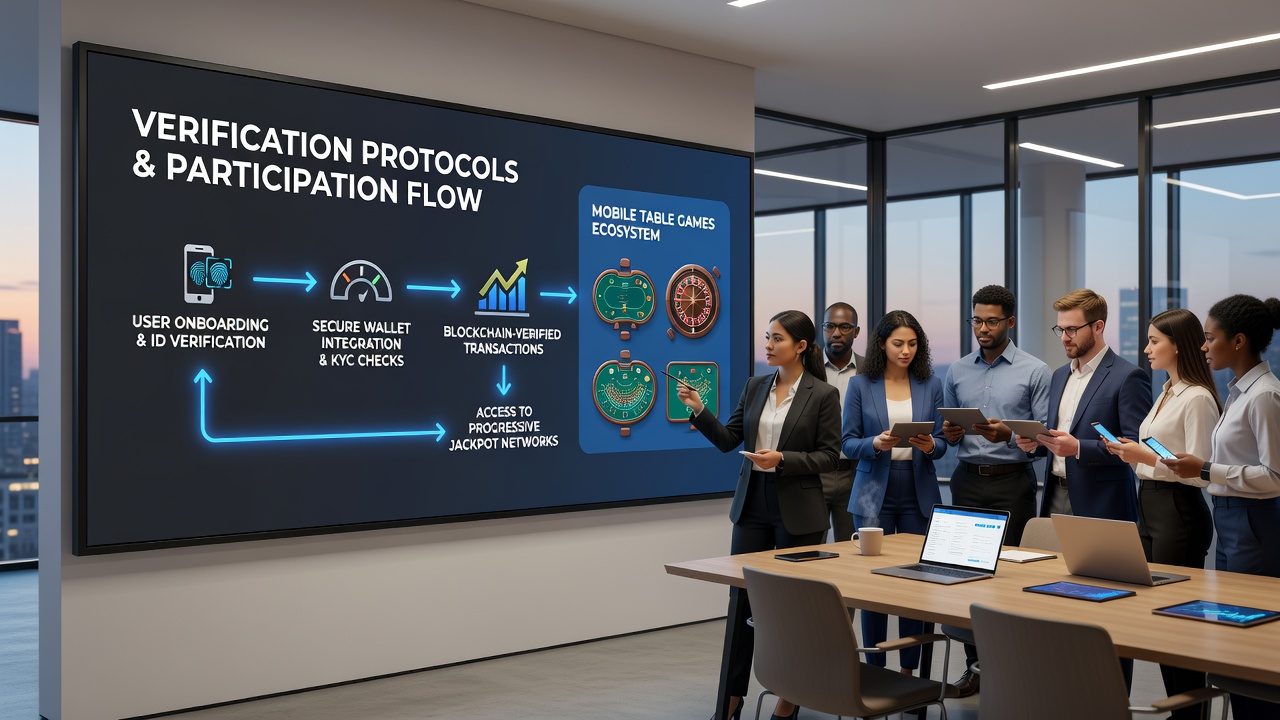
Verification protocols operate through a sequence of automated and manual steps that confirm player details against regulatory databases before granting access to networked jackpots, and this process applies equally to mobile blackjack tables and spinning reel games. When a player initiates a session, the system cross-checks provided information with government-issued documents or third-party services, which establishes whether the account meets the criteria for jackpot participation.
Once verified, the player’s wagers begin feeding into the progressive meter across connected games, yet any mismatch in data can suspend contributions until the issue resolves. Research from the American Gaming Association indicates that networks with integrated verification see higher retention rates because players avoid repeated log-in hurdles after the initial confirmation.
Mobile-Specific Challenges and Adaptations
Smartphone and tablet sessions introduce variables such as intermittent connectivity and app-based authentication that affect how verification protocols interact with progressive systems, and operators have responded by embedding biometric options alongside traditional document uploads. These adaptations allow table game players in live dealer formats and reel enthusiasts alike to maintain continuous eligibility even when switching between portrait and landscape views or pausing mid-round.
Figures from the Canadian Gaming Association reveal that mobile verification completion times dropped by an average of 35 percent between 2024 and 2026 when operators adopted hybrid checks combining facial recognition with address validation. Such reductions translate into more players joining jackpot networks during peak evening hours when table and reel activity typically spikes.
Impact on Participation Rates Across Game Types
Table games such as roulette and baccarat require real-time verification because live dealer interactions demand confirmed identities for regulatory reporting, whereas reel sessions often permit slightly faster entry once initial checks pass. This difference shapes how quickly each format feeds into shared progressive pools, and observers note that verified mobile table participants tend to contribute larger average wagers per round once inside the network.
In July 2026 several major operators rolled out updated verification layers that sync directly with state-level gaming databases, resulting in measurable upticks in jackpot network sign-ups for both game categories. Those who studied these changes found that players who complete verification in under two minutes show a 28 percent higher likelihood of remaining active across multiple jackpot-linked sessions.
Regulatory Influences on Protocol Design
Government agencies set the baseline requirements that verification protocols must satisfy before any mobile player can access progressive networks, and these rules vary by jurisdiction yet share common elements around fraud prevention and responsible gaming. The Casino Regulatory Authority of Singapore, for example, mandates periodic re-verification for high-value jackpot participants, which operators have incorporated into mobile apps through scheduled prompts that do not interrupt ongoing play.
According to reports published by the Australian Institute of Criminology, jurisdictions with clear verification standards experience fewer disputes over jackpot eligibility because the protocols create transparent audit trails that both players and regulators can review. This transparency encourages broader participation because users trust that their contributions and potential wins rest on consistent, verifiable processes.
Future Trends in Verification and Network Growth
Emerging technologies such as blockchain-based identity tokens and AI-driven document analysis continue to refine how verification protocols support mobile jackpot networks, and early adopters report smoother integration between table and reel environments. These tools reduce manual review times while preserving the security thresholds required for cross-platform progressive contributions.
Industry analyses project that by late 2026 additional regions will align their verification standards with international benchmarks, which should expand the pool of eligible mobile participants without compromising compliance. The outcome appears in larger collective jackpots as more verified users from table and reel sessions add to the shared meters on a consistent basis.
Conclusion
Verification protocols serve as gatekeepers that determine the scale and stability of progressive jackpot networks operating within mobile table and reel sessions, and their design directly affects how many players contribute during any given period. Continued refinement of these systems, driven by regulatory updates and technological advances, supports steady growth in participation while maintaining the integrity of the networks themselves.