How Deposit Approval Sequences Shape Access to Exclusive Tournament Brackets in App-Based Live Dealer Formats
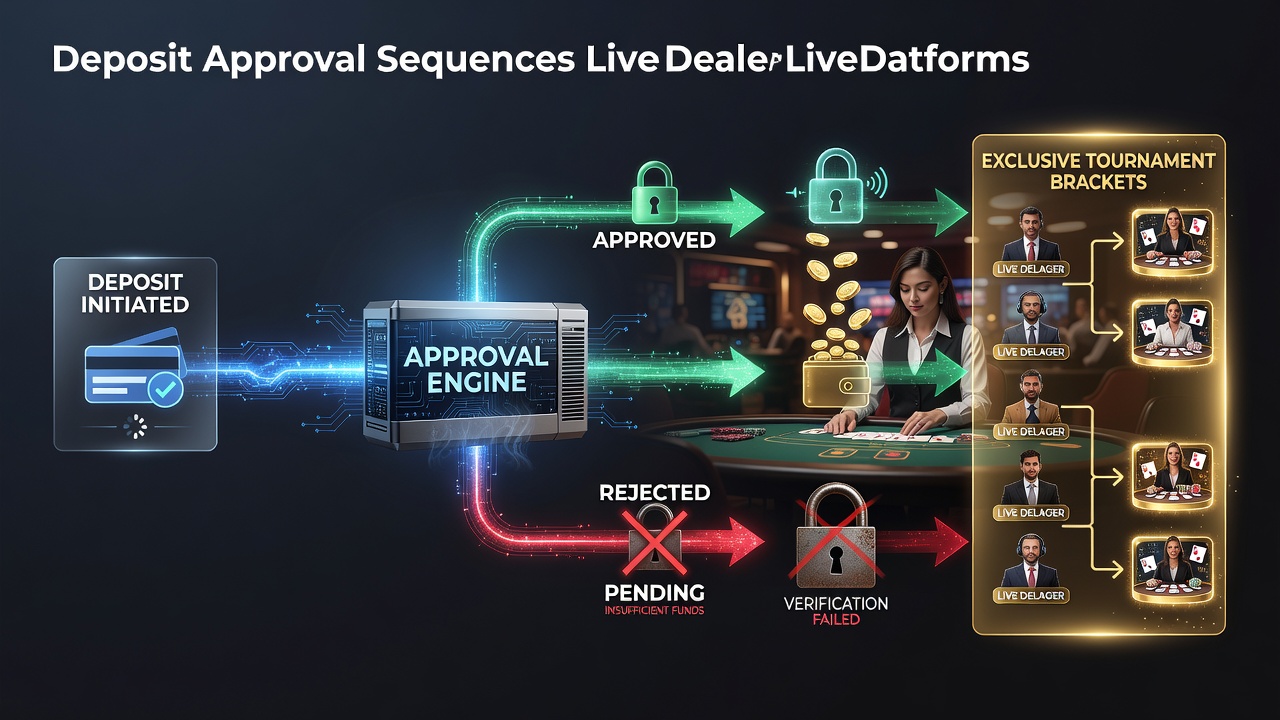
Deposit approval sequences in app-based live dealer environments operate through layered verification stages that directly influence which players gain entry into restricted tournament brackets, and these processes unfold across multiple checkpoints including initial fund authorization, compliance screening, and final ledger confirmation before access credentials activate. Observers note that the order and timing of these steps create distinct pathways where earlier completions often secure priority placement in brackets reserved for high-stakes live blackjack or roulette sessions streamed through mobile platforms.
Core Stages in Deposit Processing Pipelines
Payment gateways first receive transaction requests from user devices then route them through automated risk algorithms that scan for patterns such as velocity limits and geographic flags while parallel checks run against banking partners for real-time balance verification. Once these preliminary gates clear the sequence moves to secondary review layers that incorporate identity cross-references drawn from regulatory databases and this progression determines whether a deposit receives instant greenlighting or enters a queued holding pattern that delays bracket eligibility. Data from industry tracking services shows that sequences incorporating blockchain confirmations tend to accelerate the entire flow compared with traditional card rails because the immutable ledger entries bypass certain intermediary validations yet still require final platform-side reconciliation before tournament invites issue.
Linkages Between Approval Timelines and Bracket Qualification
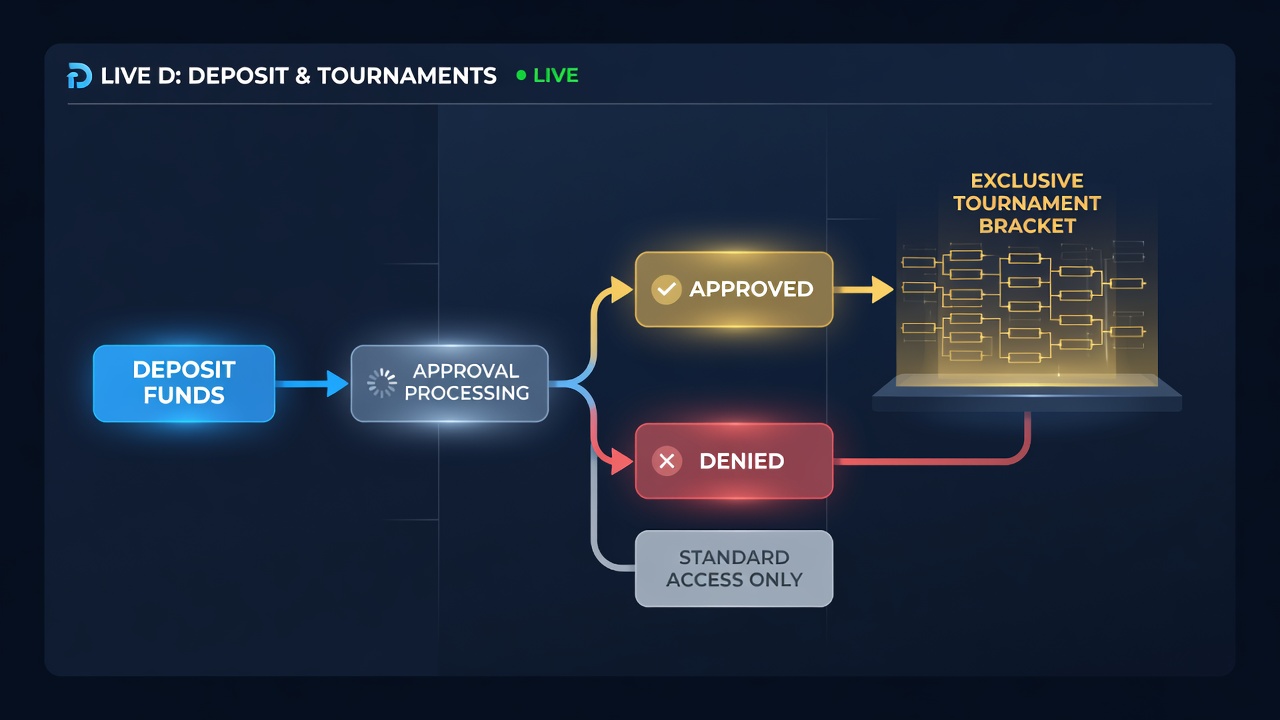
Exclusive tournament brackets function as gated structures that open only after players meet cumulative deposit thresholds verified through sequential approvals and those thresholds escalate in real time as new rounds populate the schedule. When approval chains complete within narrow windows such as under fifteen minutes participants receive automatic qualification signals that unlock bracket slots whereas extended sequences push users into waitlists or secondary pools that fill after primary entries close. Researchers at institutions monitoring digital gaming flows have documented how staggered approval cadences in live dealer apps create competitive edges for users whose transactions align with peak server processing periods around major regional events.
Regional Regulatory Influences on Sequence Design
Regulatory frameworks in multiple jurisdictions dictate the mandatory checkpoints embedded within approval sequences and these rules vary enough to alter bracket access dynamics across different app markets. In jurisdictions overseen by bodies like the Australian Gambling Research Centre operators must incorporate additional responsible gambling flags that insert extra pauses into the pipeline while Canadian provincial standards emphasize rapid yet audited fund tracing that can shorten overall timelines when integrated with approved payment partners. Such variations mean that players navigating cross-border apps encounter differing sequence lengths which in turn affect their ability to enter time-sensitive live dealer tournament structures scheduled for June 2026 onward.
What's interesting emerges when examining how live dealer interfaces sync these approvals with ongoing table streams because the system must confirm bracket eligibility before seating assignments finalize in real time. One case study from platform analytics teams revealed that deposits completing their sequence during active wheel spins often bypass standard cooldowns allowing immediate entry into limited-seat roulette brackets whereas delayed approvals force players to await the next cycle. This synchronization relies on backend APIs that poll approval status at sub-second intervals and feed results into the tournament management module without interrupting the live video feed.
Technical Integration Points Across Mobile Ecosystems
App architectures embed deposit sequence handlers within the same modules that manage live stream connections so that bracket invitations trigger automatically once final approvals register and this tight coupling reduces latency between fund clearance and tournament participation. Developers implement retry logic for failed sequence steps that preserves original timestamp priority allowing users to maintain their queue position even after transient banking hiccups resolve. Industry reports indicate that such mechanisms prove especially relevant in high-volume periods when thousands of simultaneous deposits compete for limited bracket spaces in popular live baccarat formats.
Observers tracking platform updates note that June 2026 rollout schedules for enhanced verification protocols will introduce optional accelerated lanes for users opting into pre-approved payment profiles thereby further differentiating access speeds to exclusive events. These changes build on existing patterns where sequence efficiency directly correlates with bracket tier assignments and they reflect broader efforts by operators to align processing flows with evolving compliance expectations across global markets.
Conclusion
Deposit approval sequences ultimately serve as gatekeepers that translate financial transaction progress into tournament bracket eligibility within app-based live dealer ecosystems and their structured progression through verification stages creates measurable differences in access opportunities. Patterns observed across varied regulatory environments demonstrate that the timing and order of these steps continue to shape participation in restricted live dealer events as platforms refine their integrations ahead of upcoming schedule expansions. Understanding these mechanics provides clarity on how mobile users navigate qualification requirements in an environment where processing order carries direct consequences for competitive placement.