Evolving Interface Tweaks That Recalibrate Promotion Triggers Across Portable Reel and Card Sessions
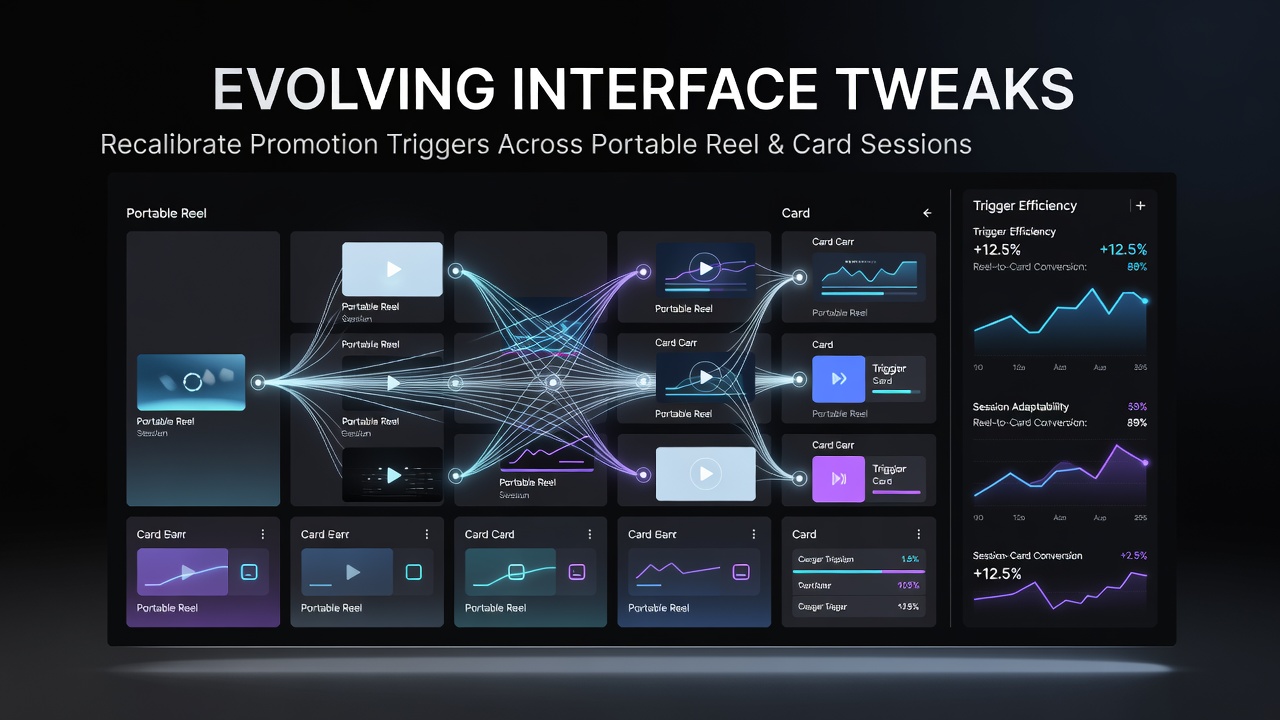
Developers continue to refine mobile interfaces that adjust promotion triggers during reel and card sessions, and these adjustments respond to patterns in user engagement data collected across handheld devices. Interface elements now shift in real time based on session duration, bet frequency, and game type, which allows systems to activate bonuses at moments that align with observed player behavior rather than fixed schedules. Such recalibrations appear in both slot reel environments and card table applications, where layout modifications influence when offers surface on screen.
Core Mechanisms Behind Interface Adjustments
Engineers implement layered triggers that monitor swipe patterns, tap velocity, and screen dwell times, then feed those signals into algorithms that decide promotion timing. When a session on a reel game extends beyond a certain threshold, the interface may introduce a subtle overlay prompting a spin multiplier, while card sessions see similar overlays appear after consecutive hands reach specific counts. These changes rely on modular code structures that permit rapid deployment of new trigger rules without full app updates, and observers note that June 2026 brought several incremental patches focused on reducing latency in these detection systems.
Design teams test variations in button placement and notification opacity to determine which configurations produce higher activation rates without disrupting gameplay flow. Data from controlled trials indicate that moving promotional banners from top-screen positions to side panels during card sessions increases interaction by measurable margins, whereas reel interfaces benefit from bottom-anchored triggers that appear during reel spin pauses. The process involves continuous A/B testing cycles conducted by operators who track metrics through backend dashboards.
Regional Regulatory Influences on Trigger Calibration
Authorities in multiple jurisdictions require transparency in how digital promotions activate, which has prompted developers to embed audit logs directly into interface code. These logs record the exact conditions that led to each trigger event, allowing regulators to verify compliance during routine reviews. In Canada, for example, reports from iGaming Ontario detail how mobile operators adjusted promotion logic to meet disclosure standards while maintaining session continuity. Similar documentation requirements exist in Australian markets, where the Australian Communications and Media Authority tracks interface modifications that affect bonus visibility.
Operators integrate these compliance features through API connections that link interface elements to external reporting platforms. When a promotion trigger fires, the system simultaneously logs the event and flags it for review if it deviates from predefined parameters. This dual-purpose design reduces administrative overhead while ensuring that recalibrations remain within approved boundaries.
Technical Implementation Across Reel and Card Formats
Reel sessions utilize progressive trigger thresholds that escalate based on consecutive spins without intervening pauses, and the interface displays progress indicators that update in real time. Card sessions employ parallel systems that track hand outcomes and betting patterns, then recalibrate offers accordingly. Both formats share common backend frameworks yet diverge in visual presentation, with reel games favoring animated progress bars and card interfaces relying on subtle color shifts in the table background.
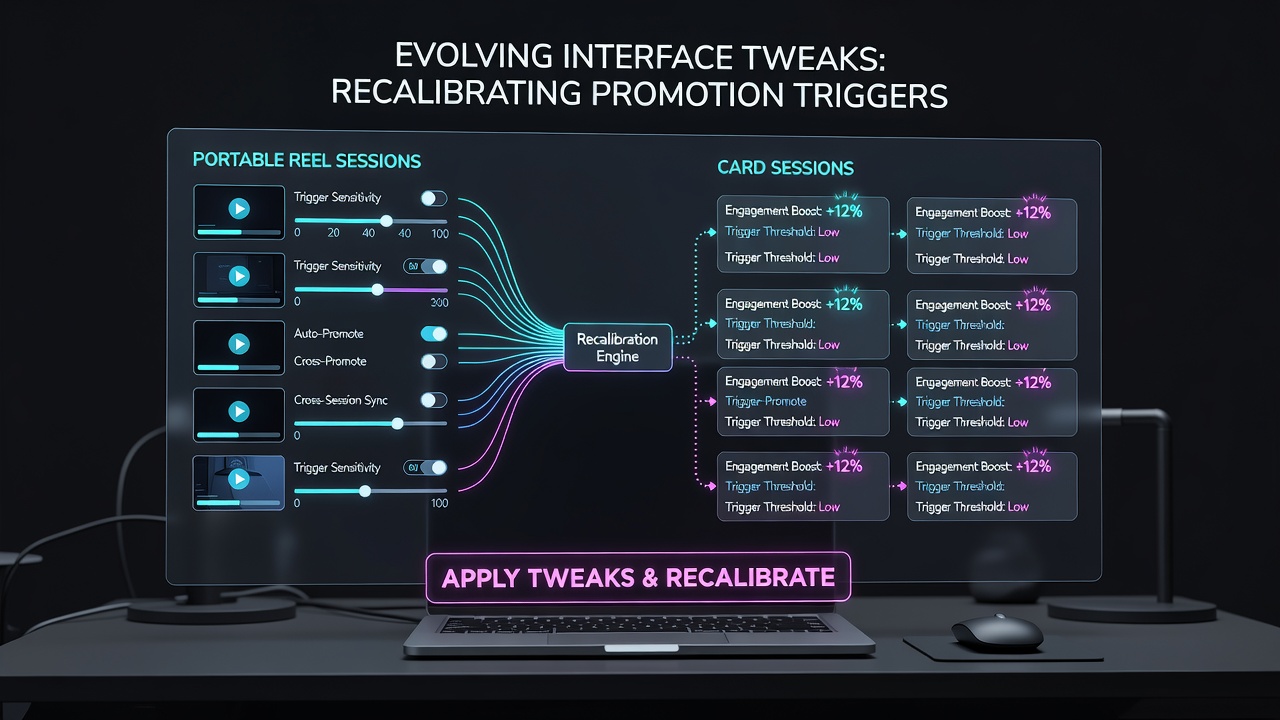
Developers incorporate machine learning models that refine trigger sensitivity over successive sessions, drawing from aggregated anonymized data sets. These models identify correlations between interface interactions and promotion uptake, then suggest parameter adjustments that developers review before implementation. June 2026 updates expanded the training data windows used by these models, incorporating longer historical sequences to improve prediction accuracy across both reel and card environments.
Cross-Platform Consistency and User Experience Continuity
Interface tweaks must function consistently across operating systems adn device sizes, which requires responsive design frameworks that scale trigger elements proportionally. When users switch between reel and card sessions within the same app, the system preserves trigger history to avoid resetting promotion progress. This continuity feature relies on secure session tokens that carry calibration data between different game modules.
Testing protocols simulate varied network conditions to confirm that trigger events remain reliable even during intermittent connectivity. Operators document these tests through standardized checklists that cover latency thresholds, display rendering times, and fallback behaviors when promotions fail to load. Results from such evaluations feed into subsequent interface revisions.
Future Trajectories for Promotion Trigger Systems
Industry reports project continued refinement of trigger mechanisms through integration with emerging sensor data from mobile devices, including gyroscope readings that detect device orientation changes during play. These additional inputs could allow interfaces to adjust promotion timing based on physical handling patterns observed in reel versus card sessions. Research institutions continue to publish findings on optimal trigger densities that balance engagement with session duration metrics.
Collaboration between software vendors and platform providers accelerates the rollout of standardized trigger protocols, which reduces fragmentation across different operator applications. As these standards mature, recalibration processes become more efficient, enabling faster responses to emerging behavioral data patterns.
Conclusion
Interface modifications that recalibrate promotion triggers continue to evolve through iterative testing and regulatory alignment, shaping how offers appear during portable reel and card sessions. These developments rest on measurable data streams and technical frameworks that support consistent performance across devices and jurisdictions. Ongoing adjustments ensure that trigger events reflect current session dynamics while meeting compliance requirements established by relevant authorities.