Decoding Payment Validation Steps That Drive Loyalty Milestones in Handheld Casino Formats
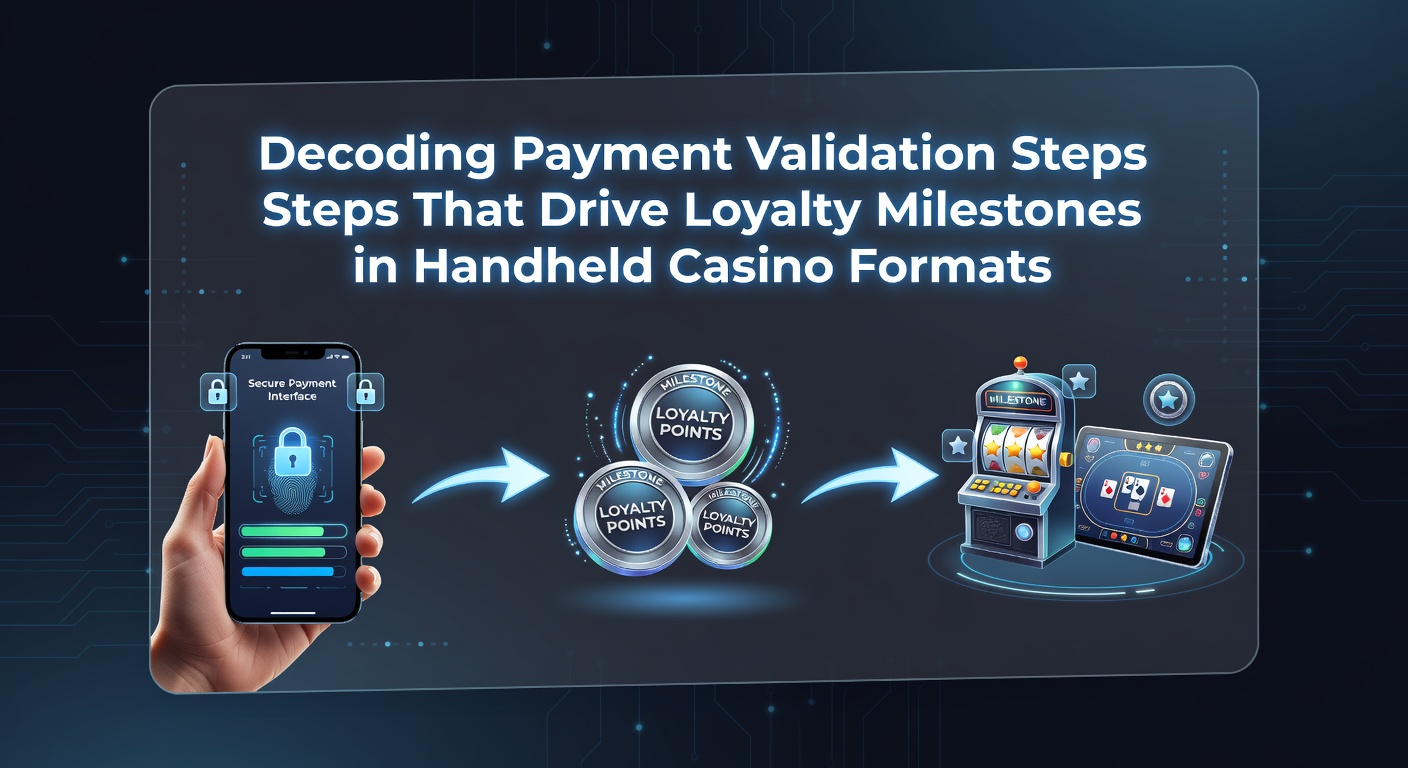
Payment validation in handheld casino formats involves multiple layers of verification that confirm transaction legitimacy before funds reach player accounts, and these processes directly influence how quickly users advance through loyalty milestones such as tier upgrades and bonus unlocks.
Core Elements of Handheld Casino Payment Systems
Handheld formats operate through dedicated mobile applications that integrate real-time banking gateways with game servers, which means every deposit or withdrawal must pass sequential checks including account authentication, fraud screening, and regulatory compliance verification before the system registers the activity toward loyalty tracking. Observers note that platforms synchronize these steps with player profiles so that validated transactions immediately feed into reward algorithms calculating points, cashback percentages, and VIP access thresholds.
Data from regulatory filings indicate that successful validation rates above 95 percent correlate with higher retention metrics in mobile environments, whereas delays at any checkpoint often reset progress counters on loyalty dashboards. Researchers have documented how encrypted token exchanges between payment processors and casino databases prevent duplicate entries that could otherwise inflate or deflate milestone tallies.
Sequential Validation Stages and Their Mechanics
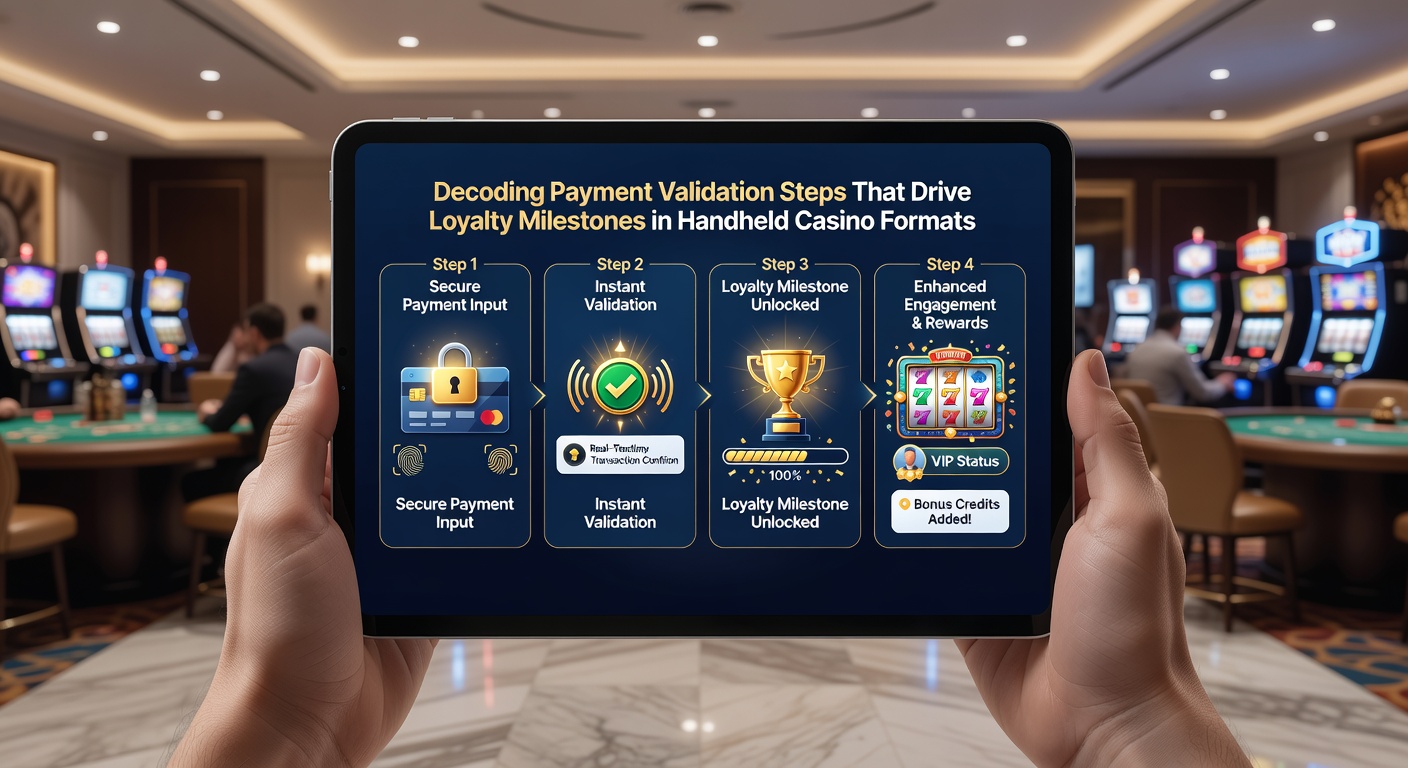
The first stage requires identity confirmation through multi-factor authentication tied to device biometrics or one-time codes, after which address verification cross-references user details against third-party databases to satisfy know-your-customer rules across jurisdictions. Once identity clears, the system performs velocity checks that monitor transaction frequency and amount patterns to flag potential anomalies before routing the request to banking partners.
Next comes the authorization hold where funds are temporarily reserved while the processor confirms sufficient balance and executes anti-money-laundering scans, and only after these pass does the platform update the player's loyalty ledger with the corresponding points or tier credits. Studies conducted on large-scale mobile deployments show that compressing these stages into under 30 seconds produces measurable increases in milestone achievement rates because players remain engaged rather than abandoning sessions during extended waits.
Integration with Loyalty Milestone Tracking
Loyalty systems assign milestone values based on validated transaction volumes and frequency, so each completed validation step adds to cumulative totals that unlock higher reward brackets such as personalized game multipliers or expedited withdrawal limits. Platforms maintain separate audit logs that reconcile every validated payment with the associated loyalty increment, allowing operators to demonstrate compliance during external reviews while simultaneously delivering transparent progress reports to users.
Industry reports highlight that mobile formats benefit particularly from this linkage because players often conduct multiple smaller transactions throughout the day, and seamless validation ensures those incremental deposits accumulate toward milestones without interruption. When validation incorporates automated risk scoring that adjusts dynamically to player history, the result is faster progression for established accounts and graduated scrutiny for newer ones, which maintains system integrity while supporting steady loyalty advancement.
Regulatory Context and Operational Standards
According to records maintained by the Nevada Gaming Control Board, handheld casino operators must implement validation protocols that align with both state and federal financial reporting requirements, and these standards extend to how loyalty data derived from payments gets stored and audited. Similar frameworks appear in other markets where regulators require documented evidence that validation steps prevent unauthorized access to reward systems.
Research published through academic channels at institutions such as the University of Nevada, Las Vegas Center for Gaming Research reveals patterns where optimized validation flows reduce player friction and thereby accelerate milestone attainment across demographic segments. Platforms that publish average validation times in their terms often see improved trust signals, since users can anticipate exactly when loyalty credits will post after each successful transaction.
Current Developments Through Mid-2026
As operators prepare infrastructure updates scheduled through May 2026, several handheld platforms are testing enhanced validation layers that incorporate machine learning models to predict and pre-approve low-risk transactions, which in turn shortens the window between deposit confirmation and loyalty point allocation. These pilots focus on maintaining regulatory audit trails while reducing manual intervention that previously delayed milestone recognition during peak activity periods.
Market analyses project continued expansion of these integrated systems, with emphasis on cross-device consistency so that loyalty progress initiated on one handheld session carries forward seamlessly when users switch to another authorized device.
Conclusion
Payment validation steps form the operational backbone that translates financial activity into loyalty milestones within handheld casino formats, and the precision of each checkpoint determines both compliance strength and user progression speed. Observers continue to track how refinements in these sequences affect retention figures and reward distribution efficiency across global markets.