Charting Encrypted Transfer Pathways That Shape Loyalty Milestones in Portable Live Dealer Environments
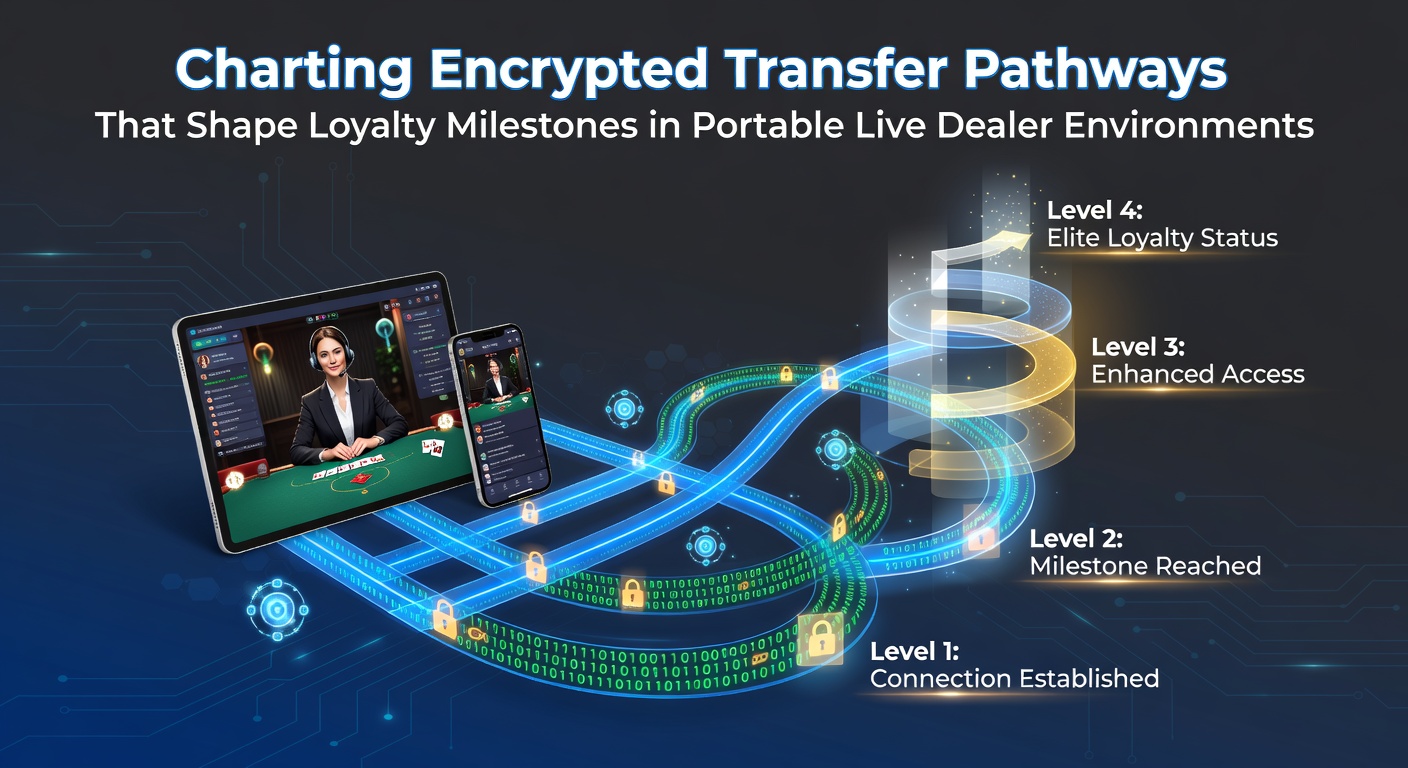
Portable live dealer environments rely on encrypted transfer pathways to move funds between player accounts and gaming platforms, and these same secure routes now determine how loyalty milestones accumulate across sessions. Research indicates that platforms using end-to-end encryption for every deposit, withdrawal, and in-game transfer record player activity with greater precision, which in turn feeds directly into tier progression systems. Observers note that when data packets travel through protected channels, operators gain clearer logs of betting volume, session length, and reward redemptions, allowing loyalty programs to award points without manual reconciliation.
Encryption Standards That Support Real-Time Tracking
Modern systems employ AES-256 protocols combined with blockchain verification layers to authenticate each transaction while it travels between mobile devices and live dealer servers. These standards emerged after multiple regulatory updates in North America and parts of Europe required operators to log every fund movement with immutable timestamps. Data from the Nevada Gaming Control Board reveals that casinos adopting these layered protections saw a measurable rise in accurate loyalty point allocation during the 2025 calendar year, because fewer disputes arose over missing transfers. Players who complete encrypted deposits during live blackjack or roulette sessions often receive instant credit toward their current tier, since the pathway itself carries metadata that loyalty engines read automatically.
How Transfer Pathways Feed Loyalty Milestones
Each completed transfer carries a unique cryptographic signature that loyalty software uses to verify both the amount and the timing of the action. When a player moves funds from a digital wallet into a live dealer table, the pathway records the exact sequence of encryption keys applied, creating an audit trail that bonus engines consult when calculating milestone progress. Industry reports from the Canadian Gaming Association show that platforms integrating these signatures experienced faster VIP tier advancements, especially among users who played multiple live dealer variants in a single mobile session. The same pathways also handle reward redemptions, so a player redeeming a loyalty bonus sees the credit appear only after the encrypted confirmation loop completes on both sides of the transaction.
In May 2026 several major operators plan to roll out updated transfer protocols that embed loyalty metadata directly inside each encrypted packet. This change means milestones such as “100 hours of live dealer play” or “fifty consecutive deposits” can trigger without separate tracking databases, reducing latency and cutting down on reconciliation errors. Those who have followed these developments note that the new packets will carry both financial and behavioral data through the same secure channel, allowing operators to adjust reward thresholds in real time based on aggregate player patterns.
Portable Device Constraints and Security Integration
Mobile hardware presents unique challenges because limited processing power and variable network conditions can interrupt encryption handshakes mid-transfer. Developers addressed this by implementing adaptive key exchanges that resume interrupted sessions without resetting loyalty counters. Studies conducted at the University of Queensland’s Centre for Gambling Research found that players using these resilient pathways completed more loyalty milestones per month than those on older platforms, largely because fewer transfers failed and required manual follow-up. The pathways also support multi-factor authentication tokens that travel alongside the funds, so loyalty programs can confirm identity before awarding high-value tier benefits.
Regulatory Oversight Across Regions
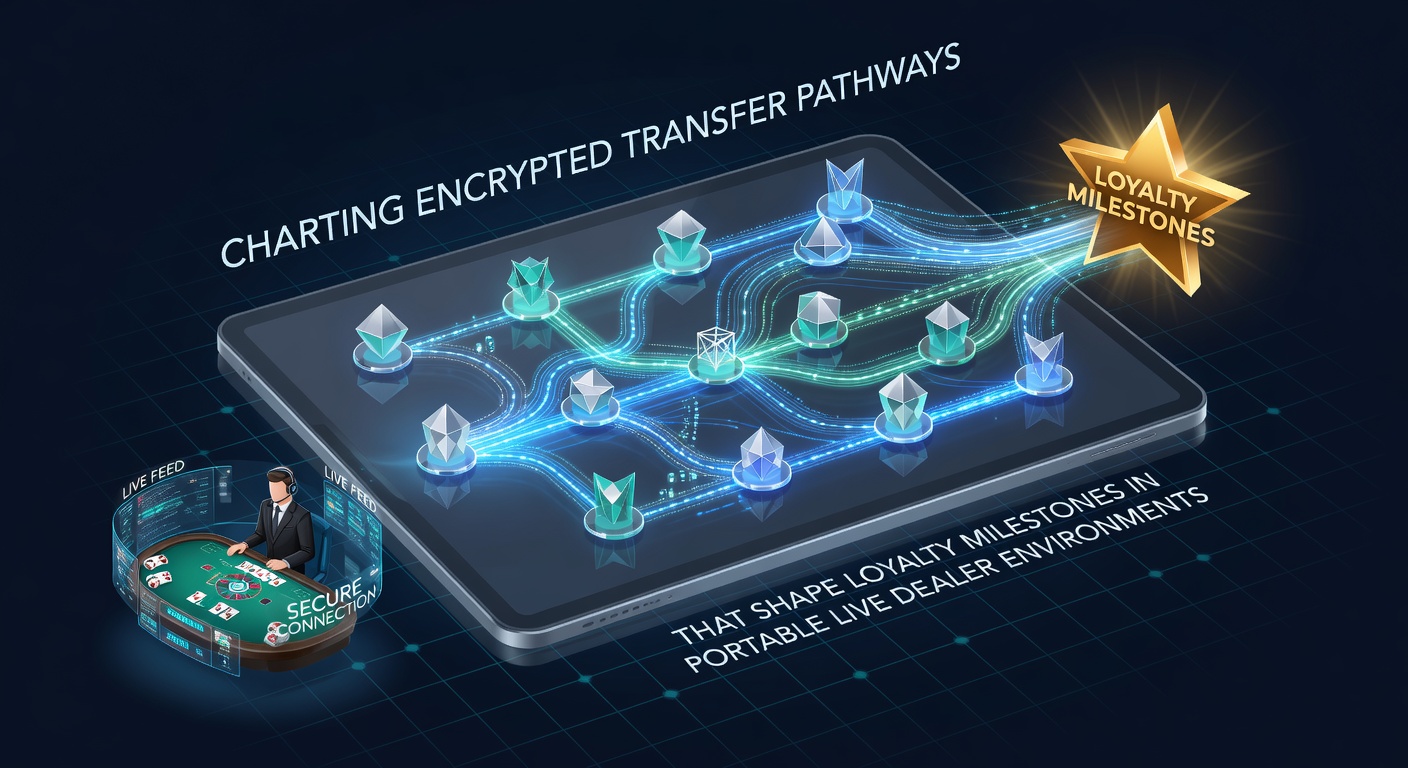
European regulators through the Malta Gaming Authority have begun requiring operators to submit sample encrypted transfer logs during annual compliance audits, focusing specifically on how loyalty data remains protected during transit. Similar requirements appear in Australian state frameworks, where gaming authorities examine whether reward calculations rely on verifiable pathway records rather than internal estimates. These rules encourage operators to maintain consistent encryption standards across all portable live dealer offerings, which in turn creates uniform milestone tracking for players who switch between devices or regions.
Future Developments in Pathway Architecture
Engineers continue testing quantum-resistant encryption methods that will protect transfer pathways even as computing power increases. Early trials indicate these methods preserve the speed needed for live dealer environments while adding another layer of security around loyalty metadata. Observers expect that by late 2026 more platforms will adopt hybrid classical-quantum pathways, allowing loyalty milestones to incorporate additional data points such as average bet size per encrypted session without increasing processing delays. The result is a tighter connection between secure fund movement and the rewards players unlock through consistent mobile play.
Conclusion
Encrypted transfer pathways have become the backbone that links financial activity to loyalty progression in portable live dealer environments. As protocols evolve and regulators refine their expectations, the same secure routes will continue to shape how milestones are measured, verified, and delivered across mobile platforms worldwide. Players and operators alike benefit from the precision these systems provide, because every completed transfer now contributes directly to verifiable progress within loyalty structures.